
Ranata Shlobin’s Message, 3-13-26
March 12, 2026
Rabbi Ross’s Message, 3-18-26
March 18, 2026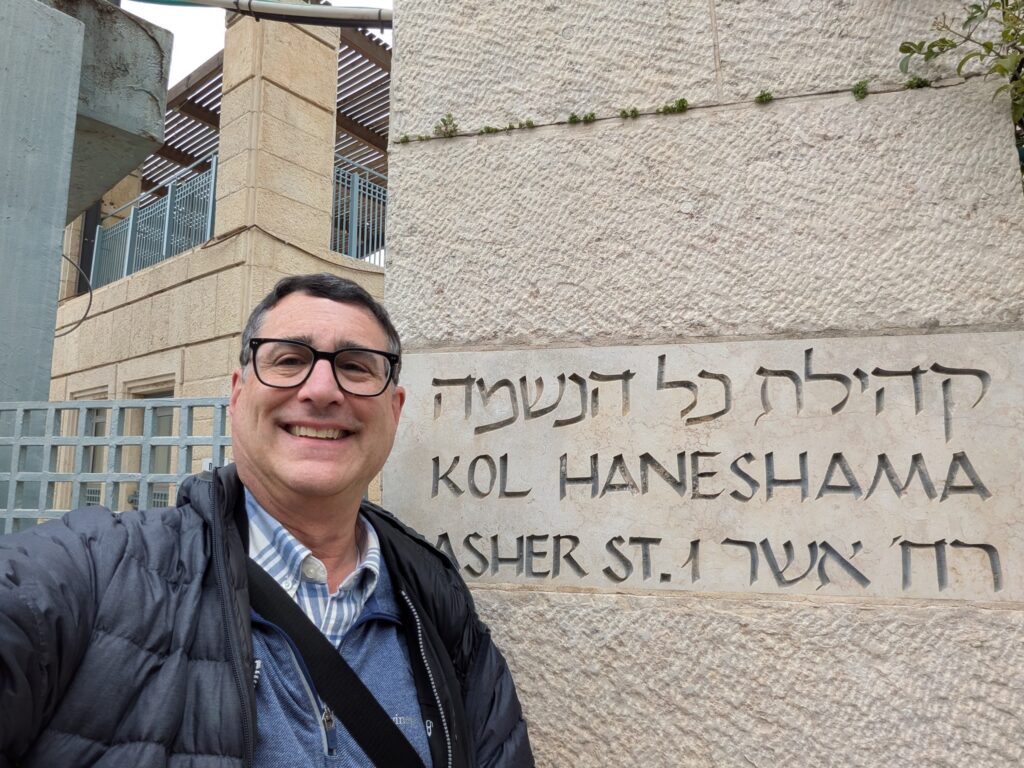
(Start here If you missed Trip to Israel (Part 1) or Trip to Israel (Part 2))

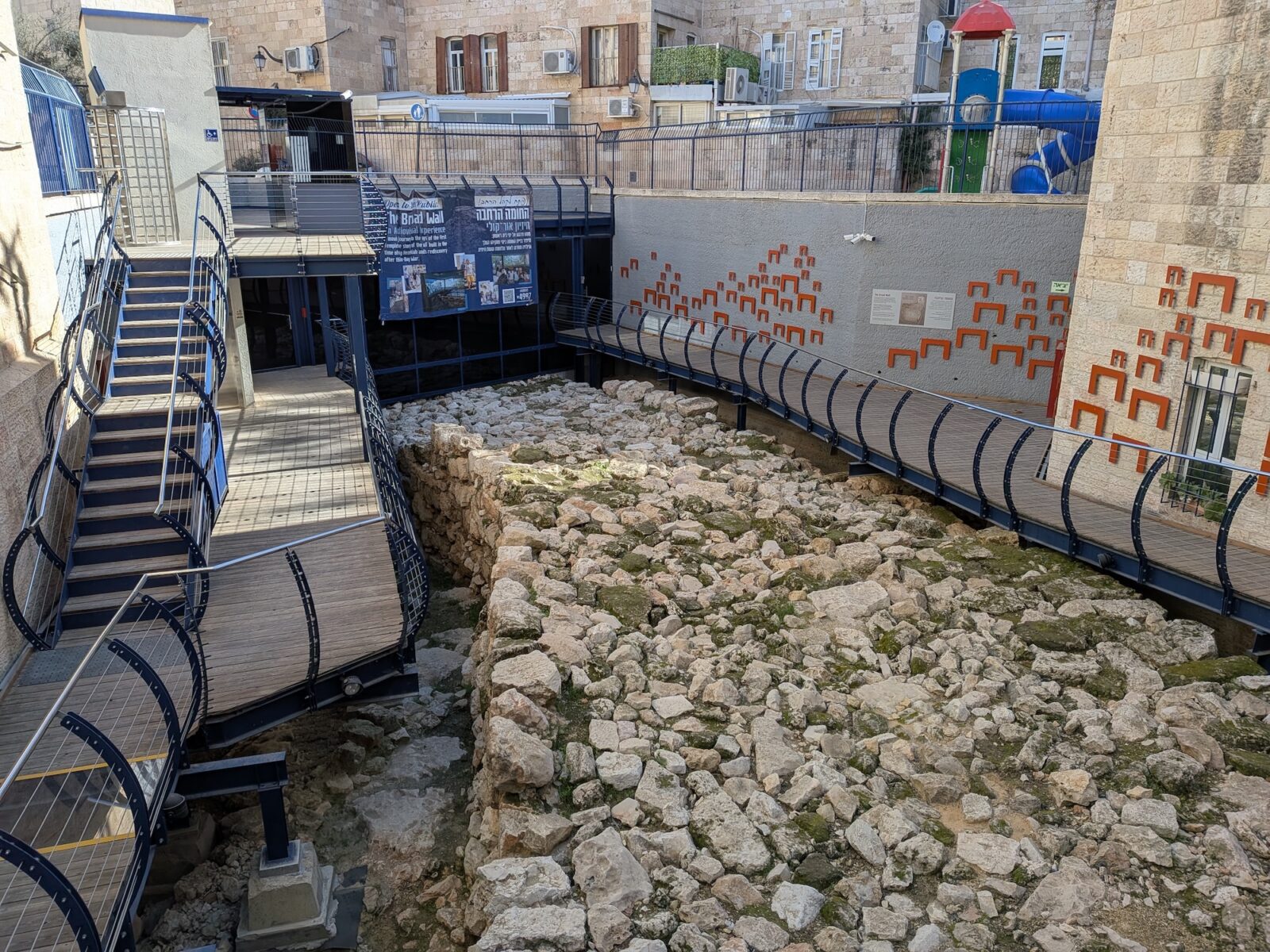
On the morning of Thursday the 18th, we awoke in Jerusalem and headed to the old city. Walking on ground literally described in the bible was yet another amazing experience from this trip. Walking past Roman tile and columns, we encountered “The Broad Wall” החומה הרחבה an ancient defensive wall attributed to King Hezekiah who is supposed to have rebuilt the temple of Solomon.
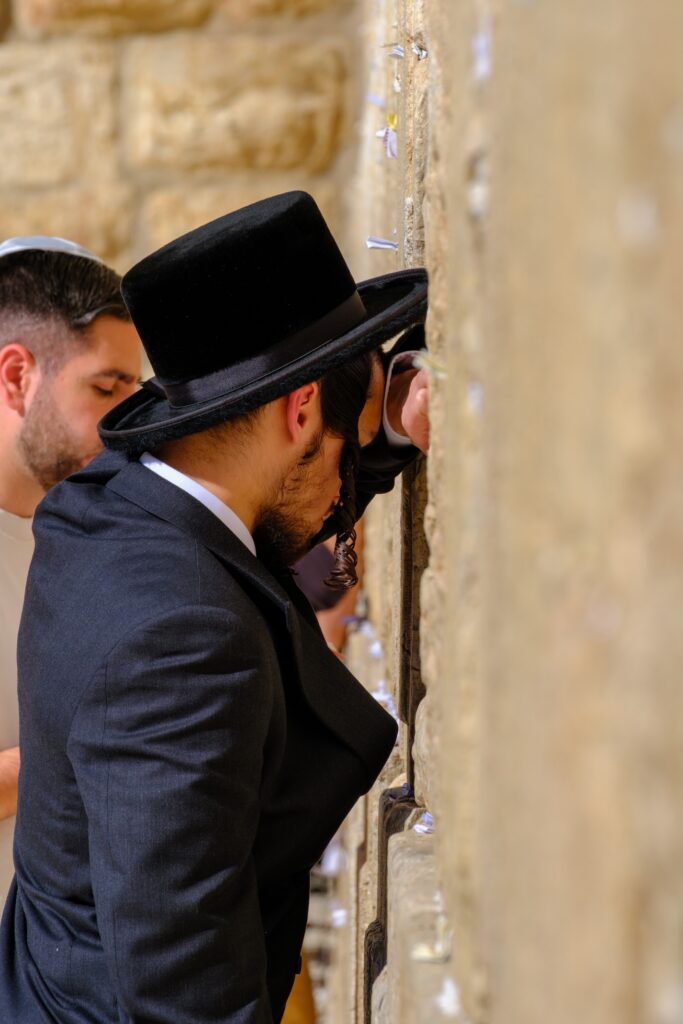
We walked through the old Jewish Quarter, ending at the Kotel, the Western Wall.
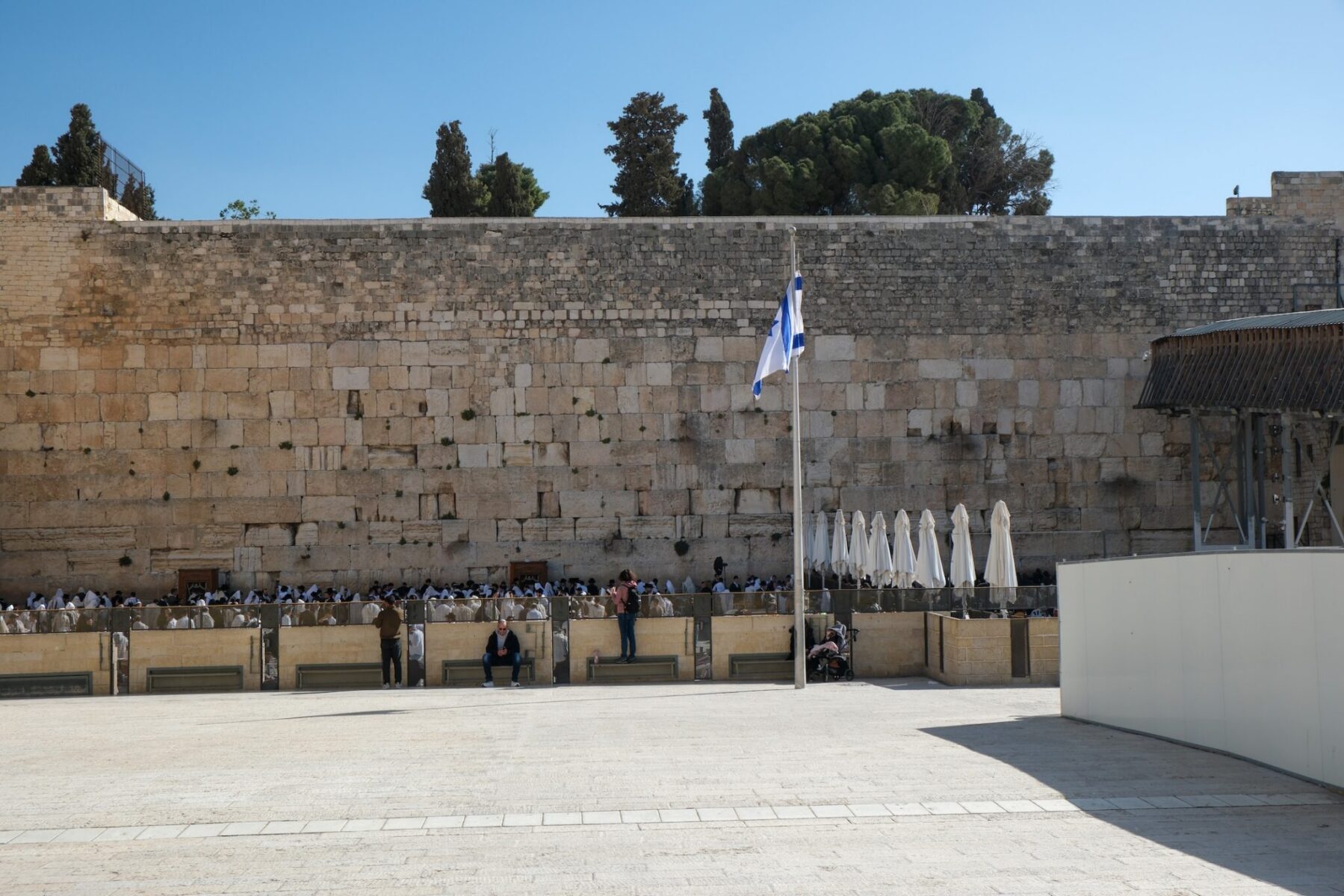
After prayer, reflection, and a deep breath, we left, passing that Jerusalem institution, Aroma Coffee.
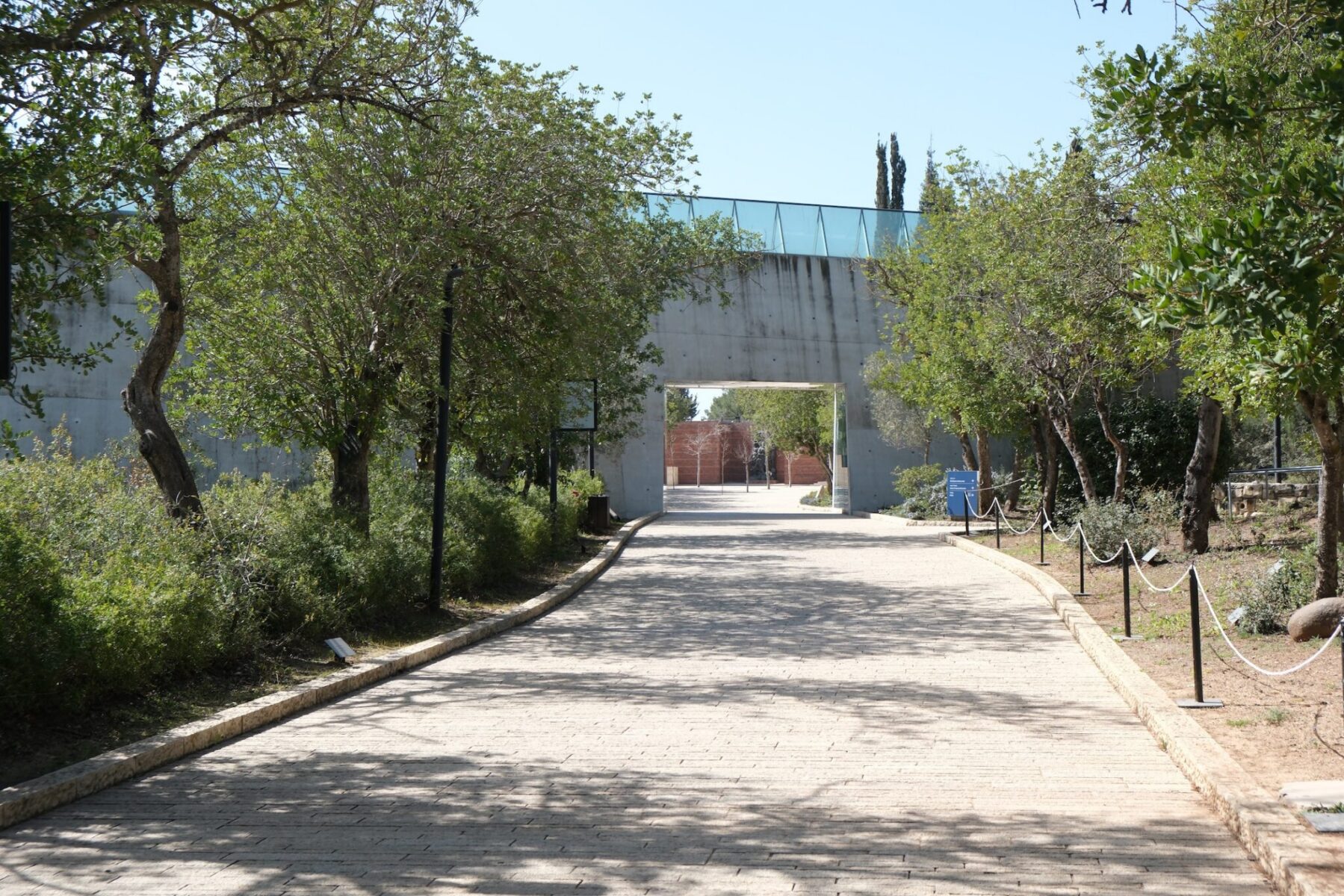
We then headed across town to Yad Vashem, the Holocaust museum, where our guide Carrie truly stunned us. As we walked the incredible exhibits that told the story of 6 million Jews and millions of others, she stopped us at the Auschwitz exhibit to tell us the story of her own father’s journey. As a blacksmith, he was put to work in Auschwitz. He was fed, and shared his meager portions as well as anything he could steal, with his compatriots. Carrie told us that her father considered Auschwitz much less difficult than what came next – the death march. Fleeing the oncoming allied forces, the Germans forced the starving prisoners to walk over 35 miles in freezing cold weather to other camps. When the allies found her six foot tall father, he barely weighed 70 pounds. Carrie noted that, until Yad Vashem was expanded in the early 90s, many survivors never talked about their experiences. While she knew her parents had both survived the camps, it was not something that was discussed, until the museum and cultural shift made it acceptable.
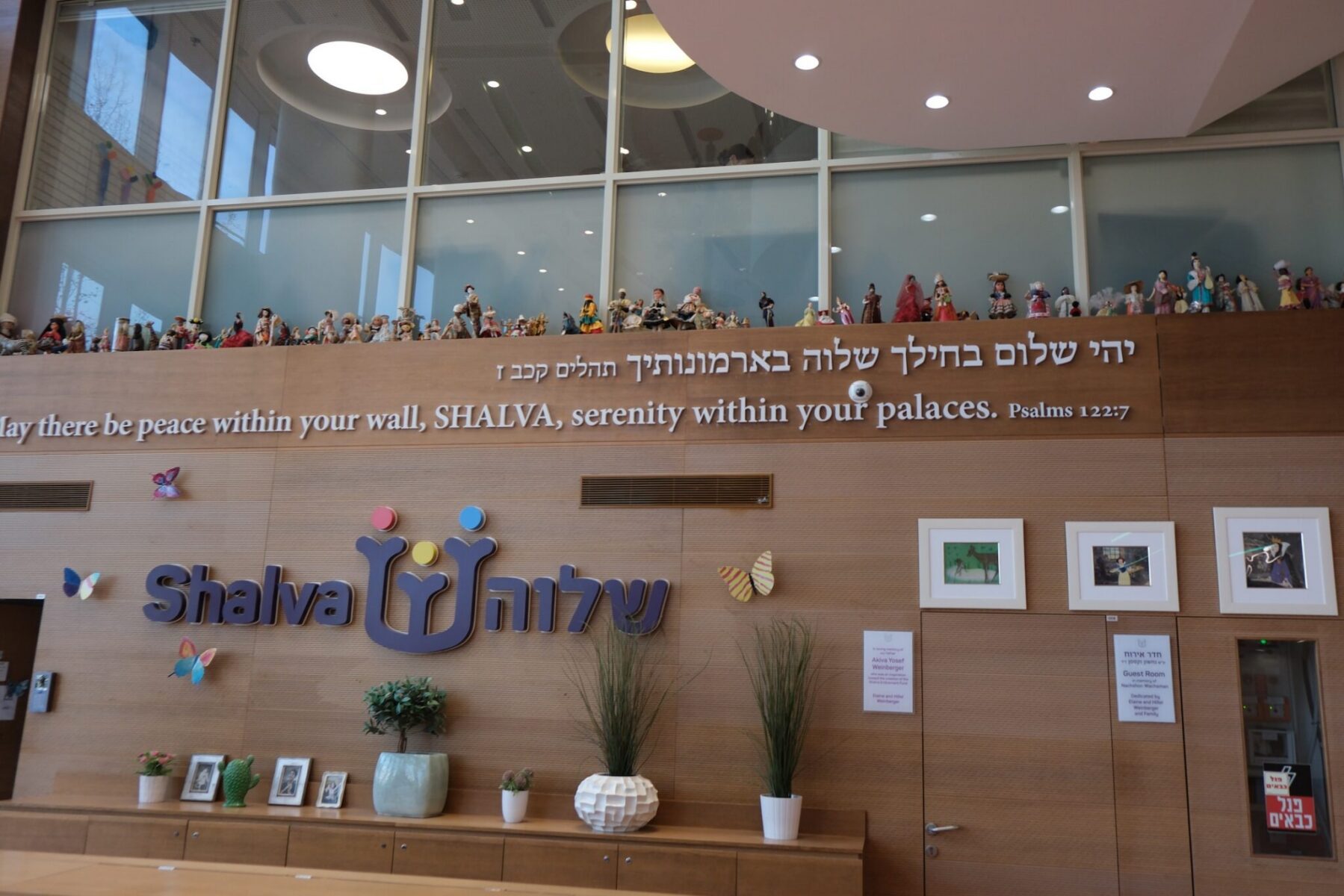
From the horrors of the holocaust, we visited the joyful spot that is Shalva. From their about page: Shalva, the Israel Association for the Care and Inclusion of Persons with Disabilities is dedicated to providing transformative care for individuals with disabilities, empowering their families, and promoting social inclusion.

Shalva provides an all-encompassing range of services for thousands of people with disabilities from infancy to adulthood and their families. What we saw was a joyful place, where teen volunteers were dancing outside with their clients to popular music. (Out of respect, there are no client photos.)
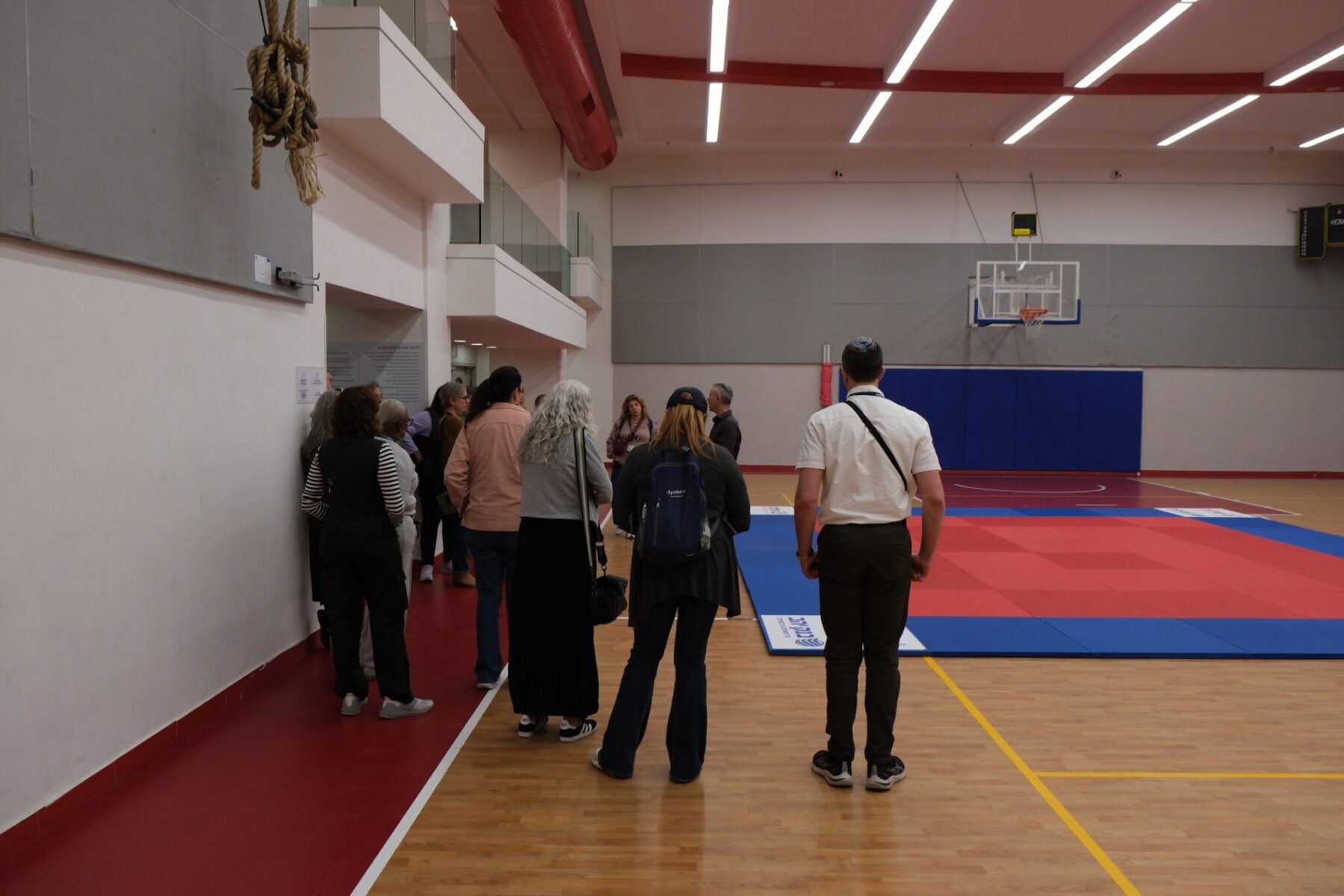
Inside, Eli Mandelbaum, Deputy CEO, gave us a tour of this incredible facility, which includes a basketball and judo gym, a pool for aqua therapy, and an entire wing where kids can stay over, giving their parents a respite while giving the kids a chance to stay with peers. We saw arts and crafts programs, skill building and vocational training, and a sense of joy and community. The organization regularly trains therapists from around the world in their standard of care.
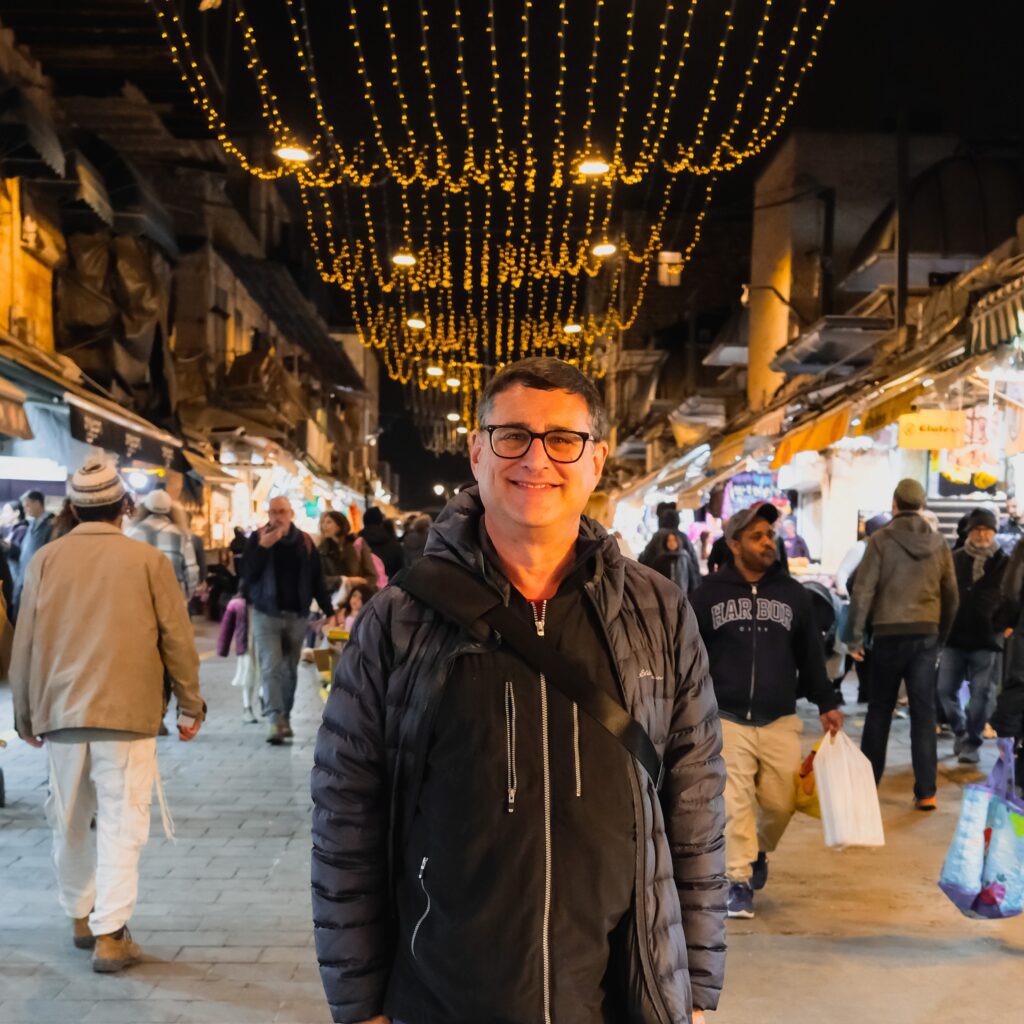
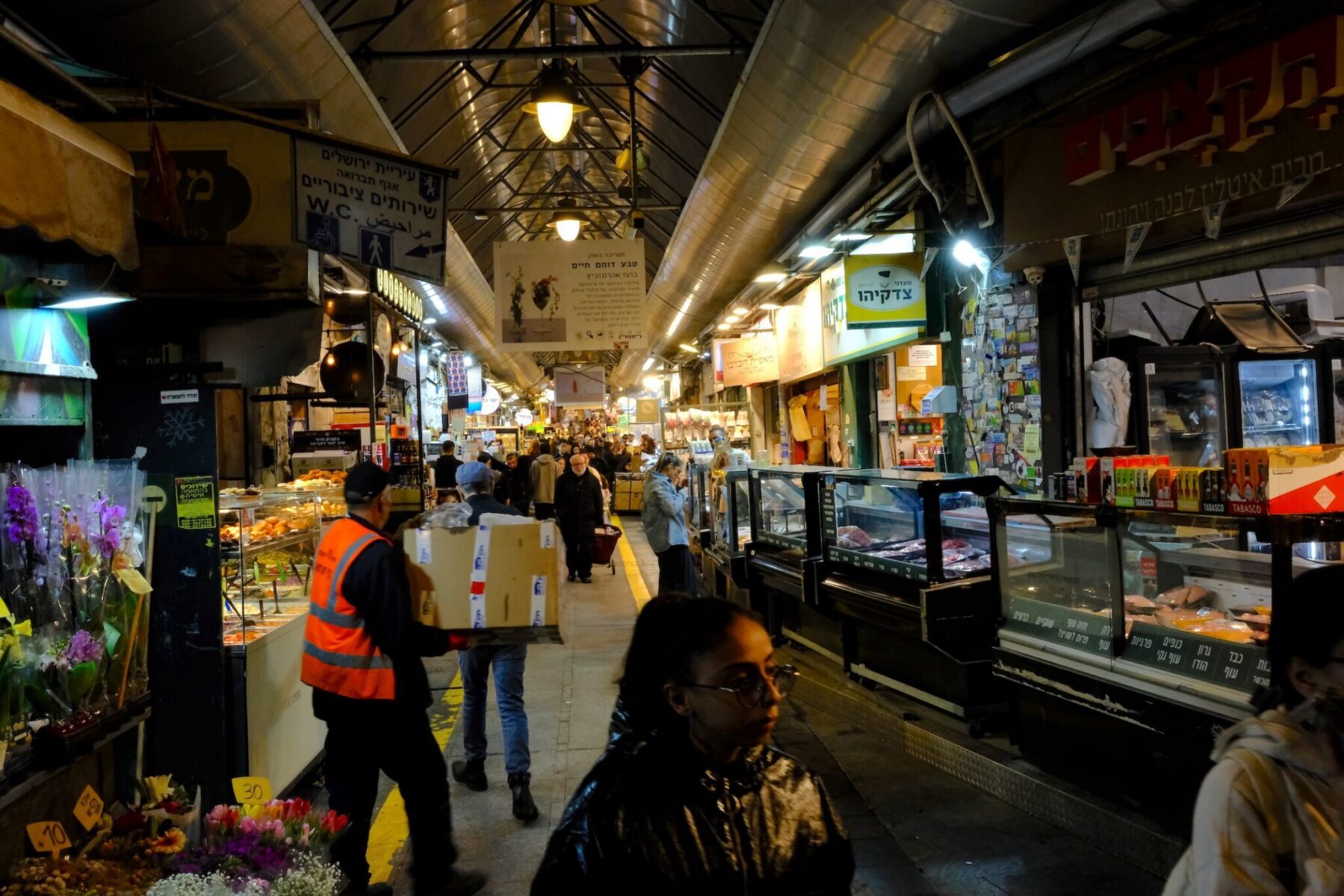
Then it was time for dinner at Mahane Yehuda Market – aka “the Shuk.” We explored the market at night, grabbing dinner from the stalls, trying fruit, tea, halavah, and beverages offered as samples in this Jerusalem landmark.
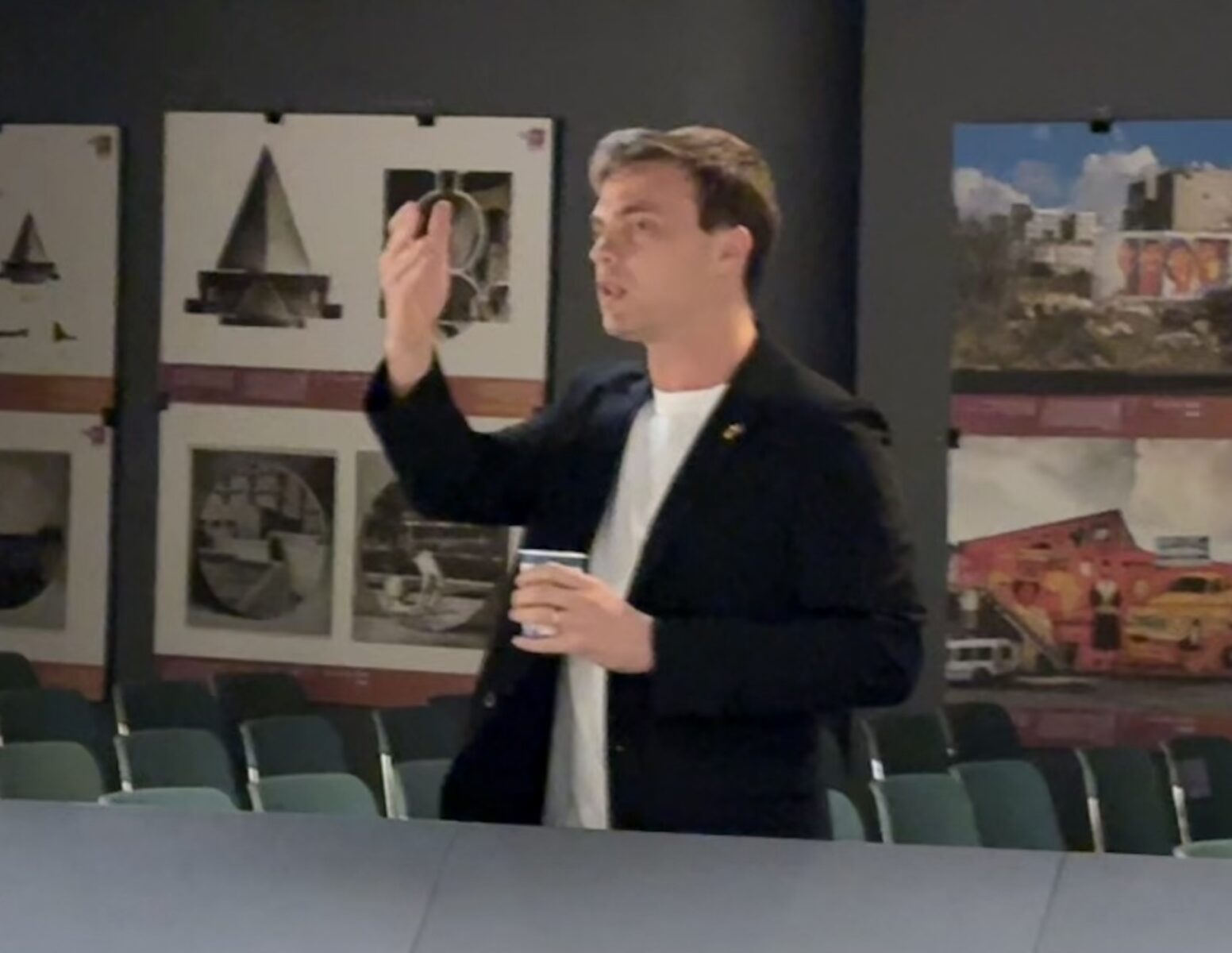
On our last day in Jerusalem, we started the morning with a visit to the municipal hall, to meet with Deputy Mayor Adir Schwartz. Schwartz, as the kids say, has the “rizz” or charisma associated with many young and up-and-coming politicians. During the early portion of the war, Schwartz ran the Jerusalem Civil Center NGO distributing aid and resources to thousands.
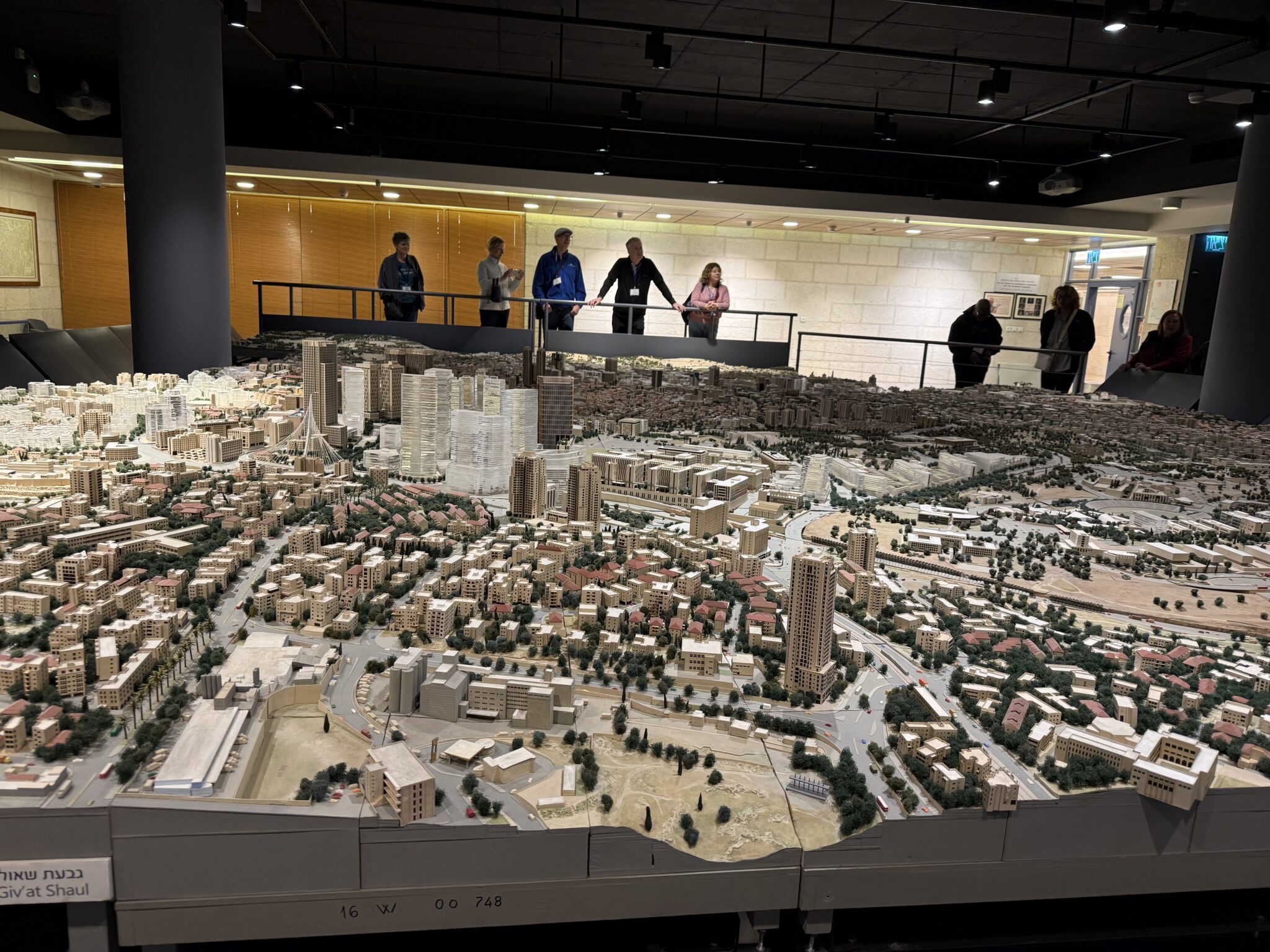
After showing us a scale model of Jerusalem used for city planning, he talked about the challenges of managing a city like Jerusalem.
He noted: “Jerusalem must be a Zionist, prosperous, tolarant city. If we are not tolerant then we will not be prosperous.” We got deep into the economics of one of the most expensive cities in the world in which to live. The property taxes are based on income, and over 50% of religious Jewish men and 70% of Arab women don’t work. With mandatory Army service, work typically starts for Israelis at 26, and the median age in Jerusalem is 24. Tech leaders graduate and leave the city. I’ll talk more about what I learned from Adir when I speak to the congregation on May 1st at Shabbat.
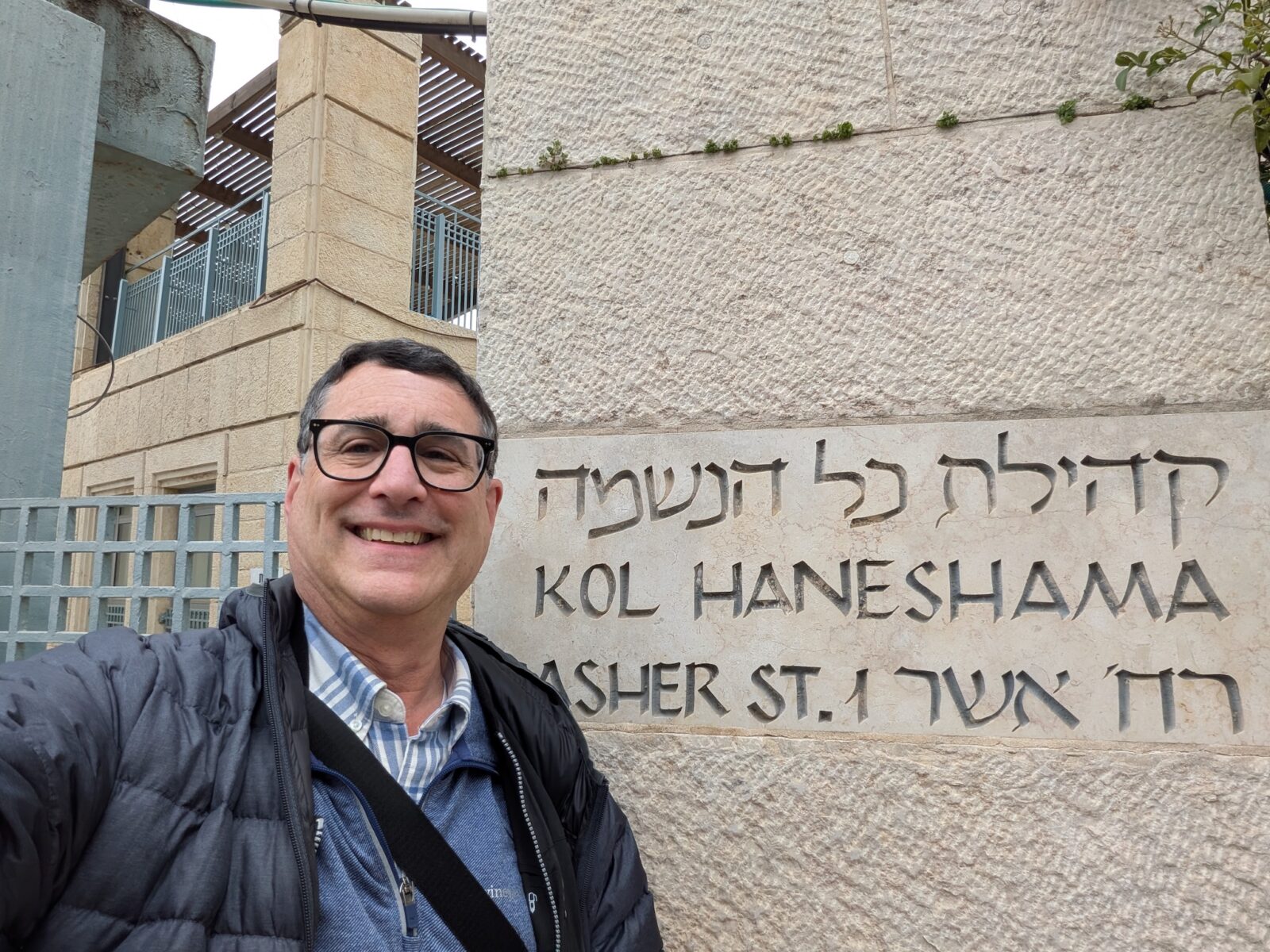
After leaving the municipal complex, we visited Reform Jewish congregation Kol Haneshama, where we spoke with Rabbi Debi Shoua Haim and some of their board members about their congregation, their ECC, and the differences in running a Reform shul in Israel vs other places in the world. Besides the fact that most people can read the Hebrew in the prayer book (but they get lots of ex-pats there too). One of their members is an artist and was working on a Queen Esther puppet that was to be used in a Purim parade in Jerusalem.,
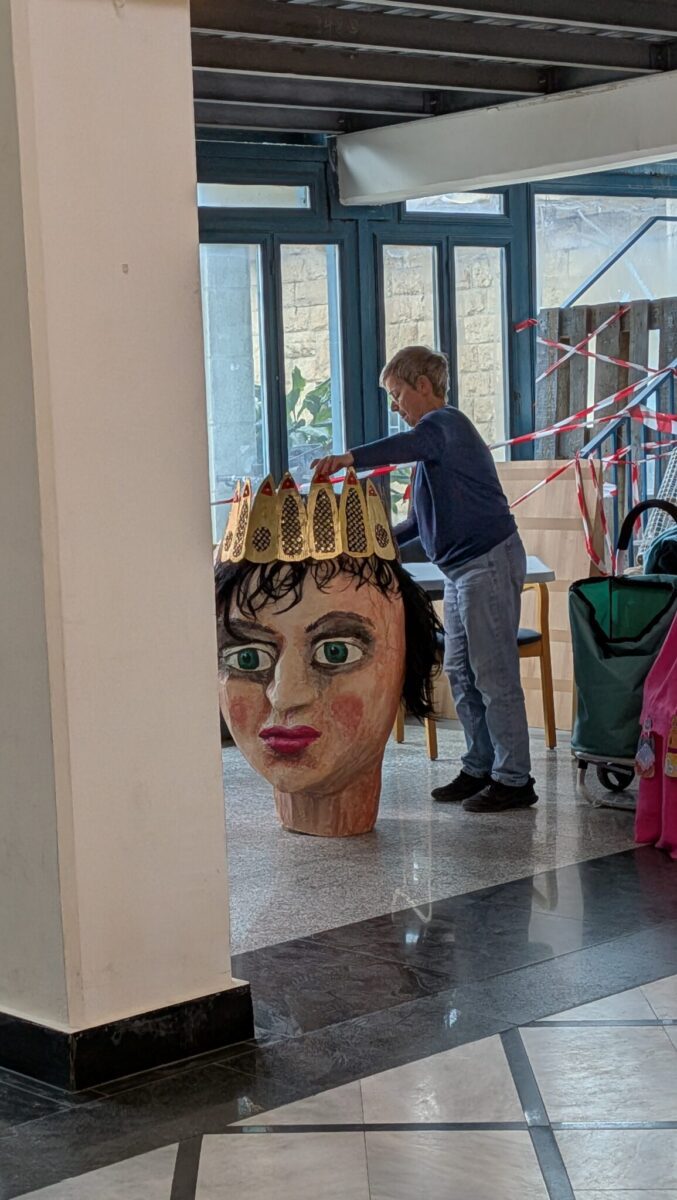
Sadly, due to the war, there was no parade. I was lucky enough to return Friday night for Shabbat, and enjoy a wonderful service at Kol Haneshama, and was hosted by one of their families for Shabbat dinner afterwards.
Leaving the Temple, we visited Yad Sarah, “the largest volunteer organization in Israel, with 7,000+ volunteers and impacting almost every family in Israel and saving the government over $1,500,000,000 through use of home hospitality equipment in place of hospital stays.” What an incredible place – we kept talking about why something like this wouldn’t work in America due to insurance companies, and more – but in Israel it works. People don’t buy crutches, the borrow from Yad Sarah. Need an oxygen tank? Crib? Need your kitchen redone because you lost use of your legs? Yad Sarah does all these things.
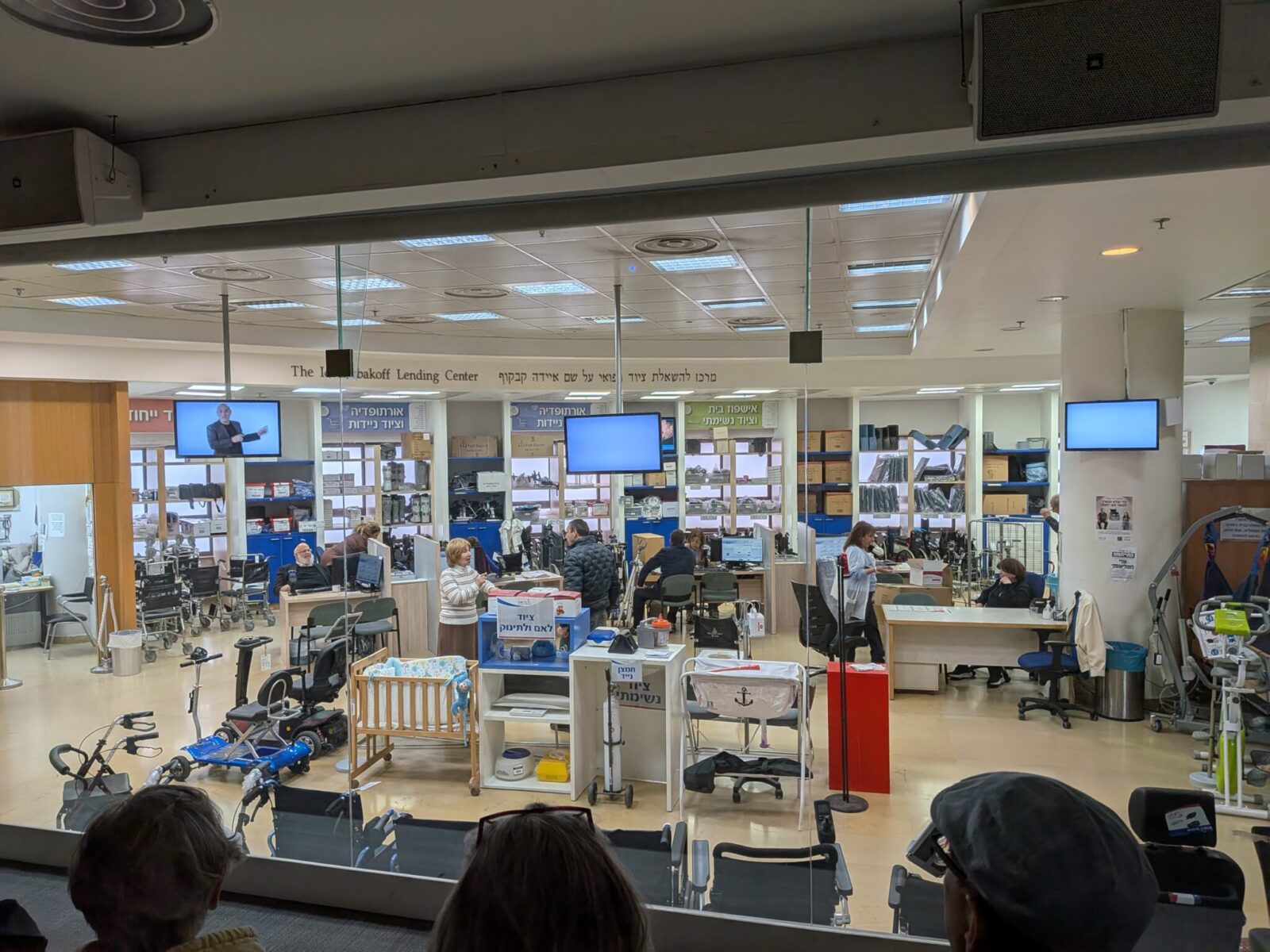
The scale and scope of this 7 story building, which includes an urgent care clinic and beds for relatives to stay over when family members are in the hospital across the street, is difficult to truly describe.
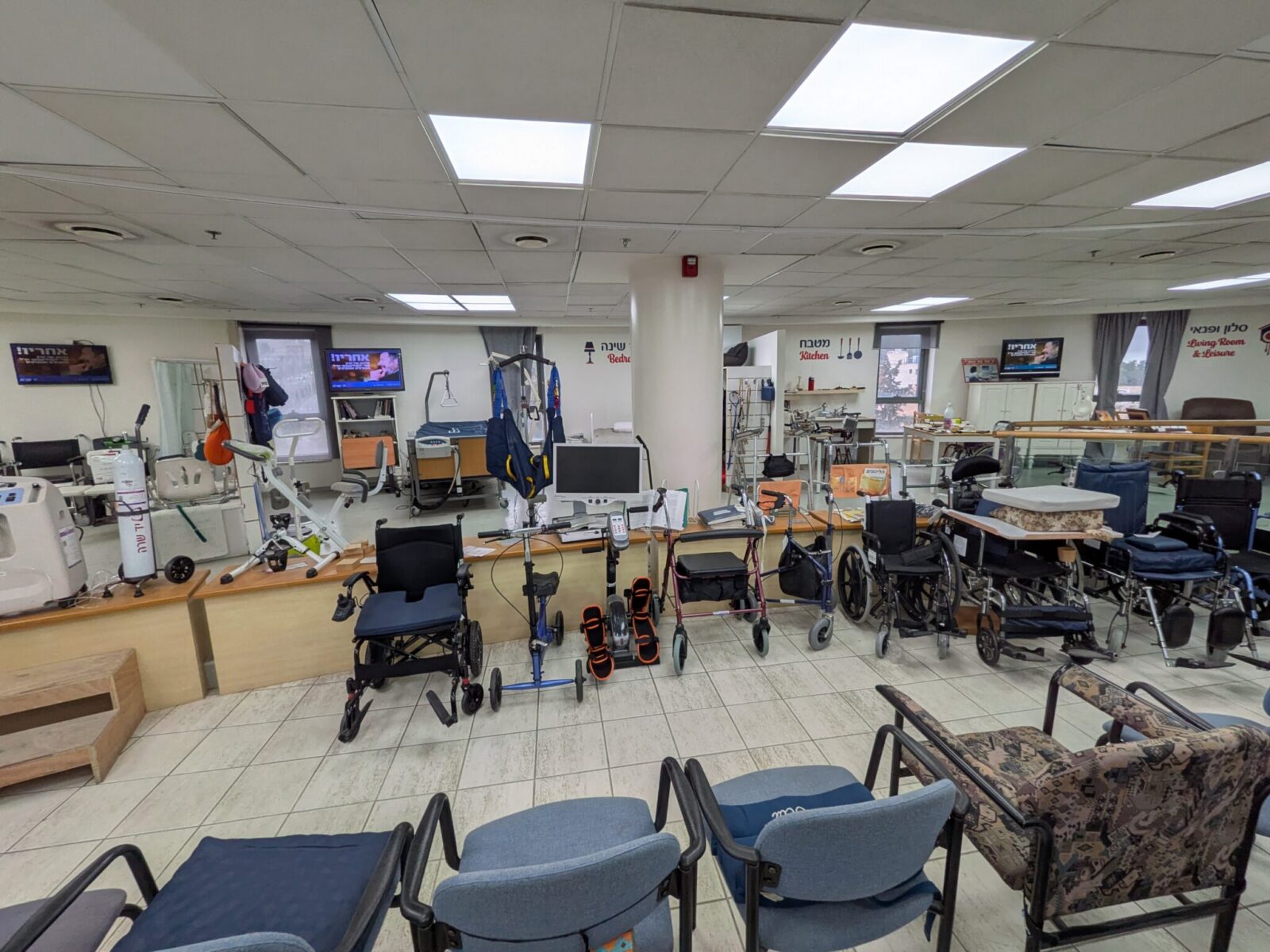
Everything you see in the pictures is available to borrow for a nominal fee – which most people donate back.
We left Yad Sarah for a trip around the corner to Har Hertzel, the national cemetery.
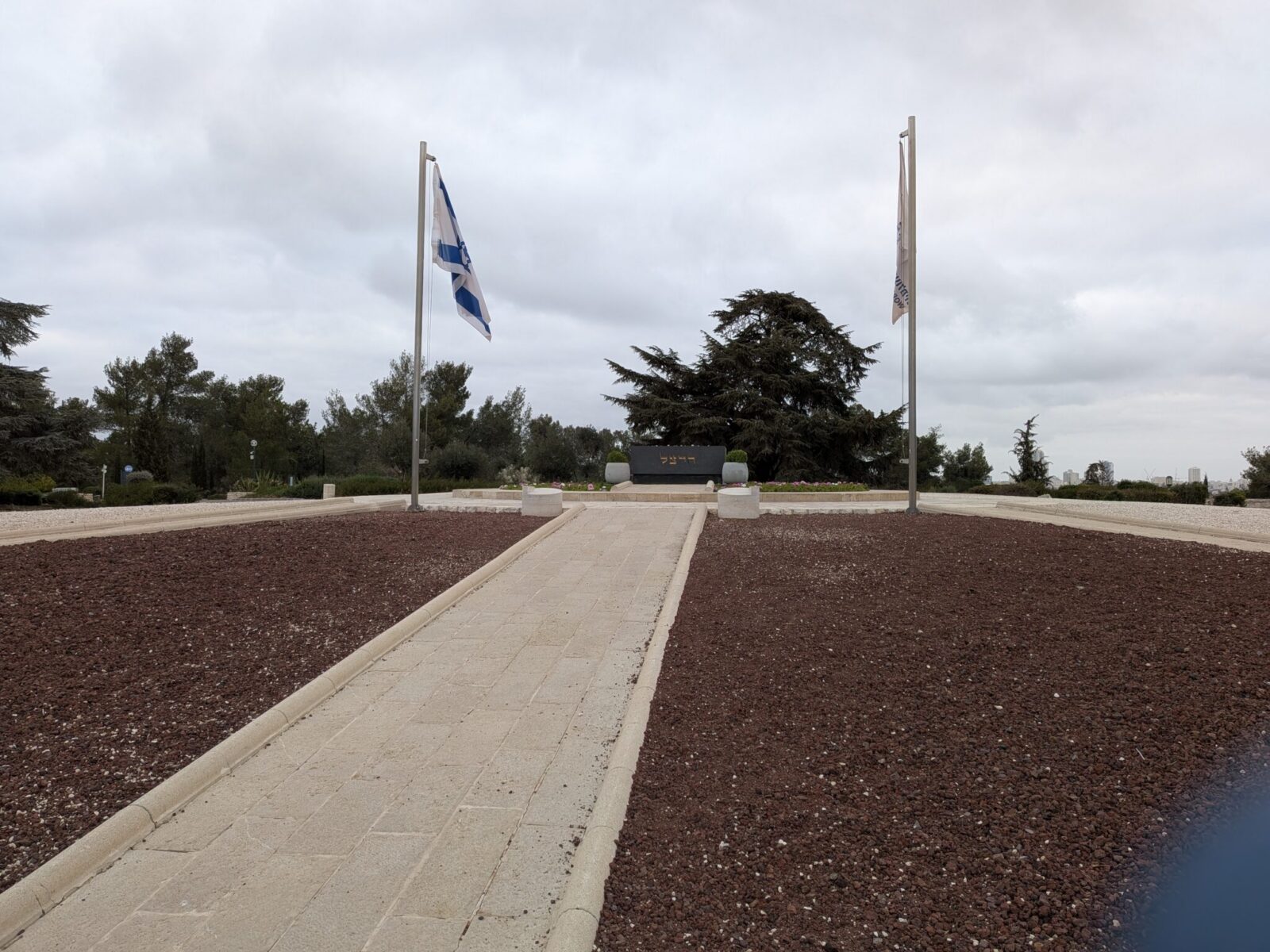
Not only are Hertzel and the prime ministers and presidents of Israel buried here. This is one of the main location for soldiers who have fought in many of the wars. In fact, after October 7th, there was such a need for burial that they literally put a new section of graves onto the roadway.
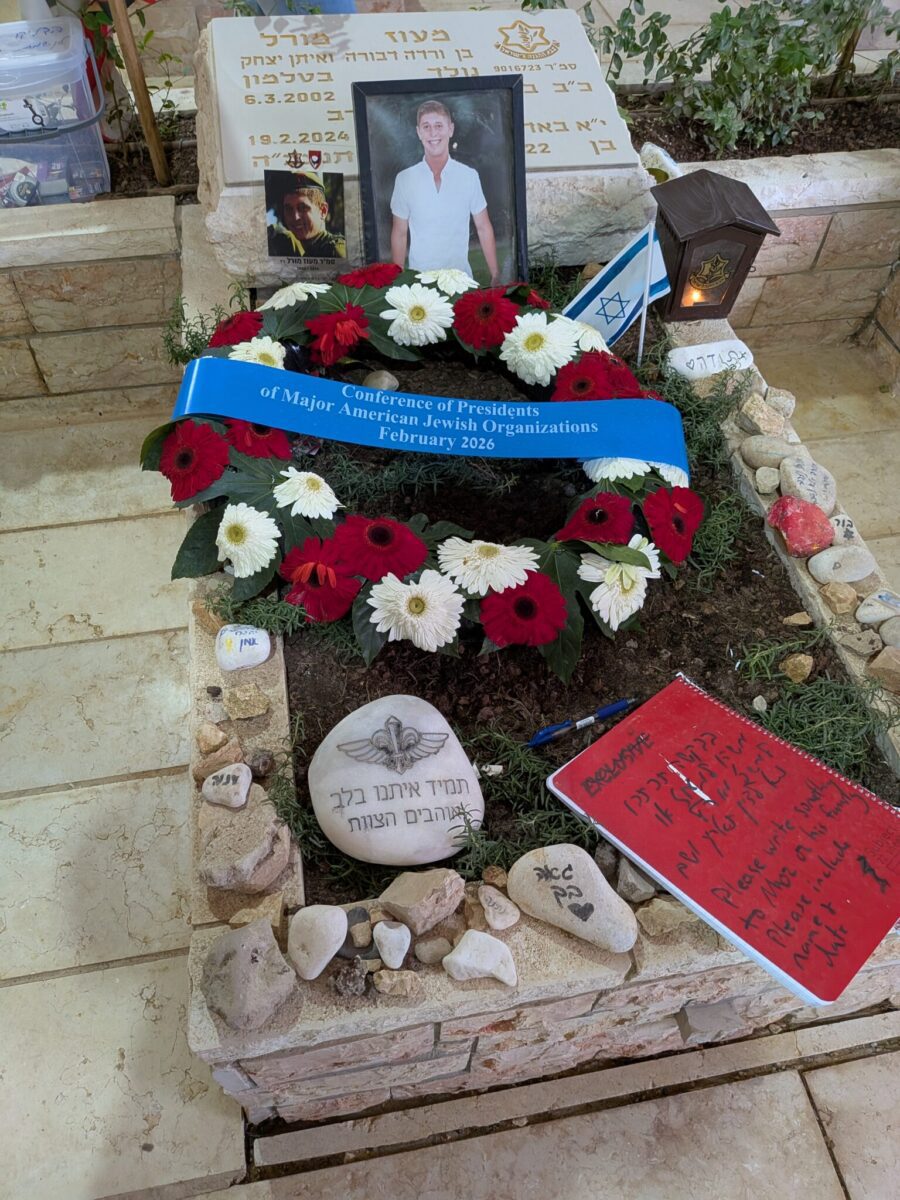
We witnessed a Yahertzeit or memorial for a fallen soldier, including his comrades and loved ones, and visited the graves of the former leaders of Israel. After a quick shopping stop at the Machne Yahudah street area, we gathered for a final dinner as a group at Ima’s restaurant. At that time, some group members left for the airport, others to visit relatives and friends.
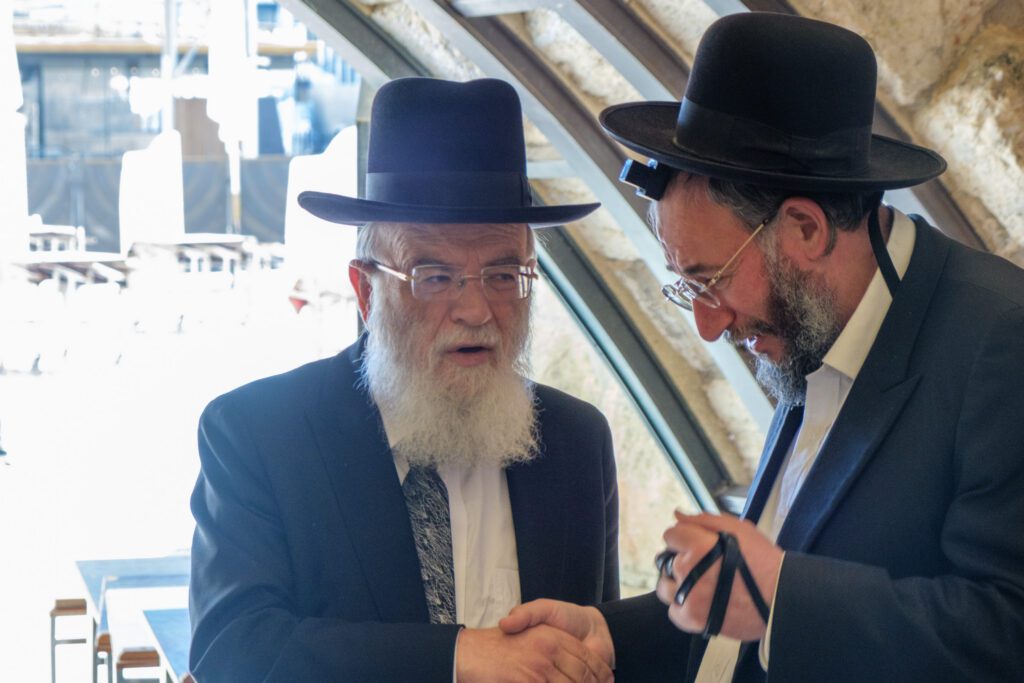
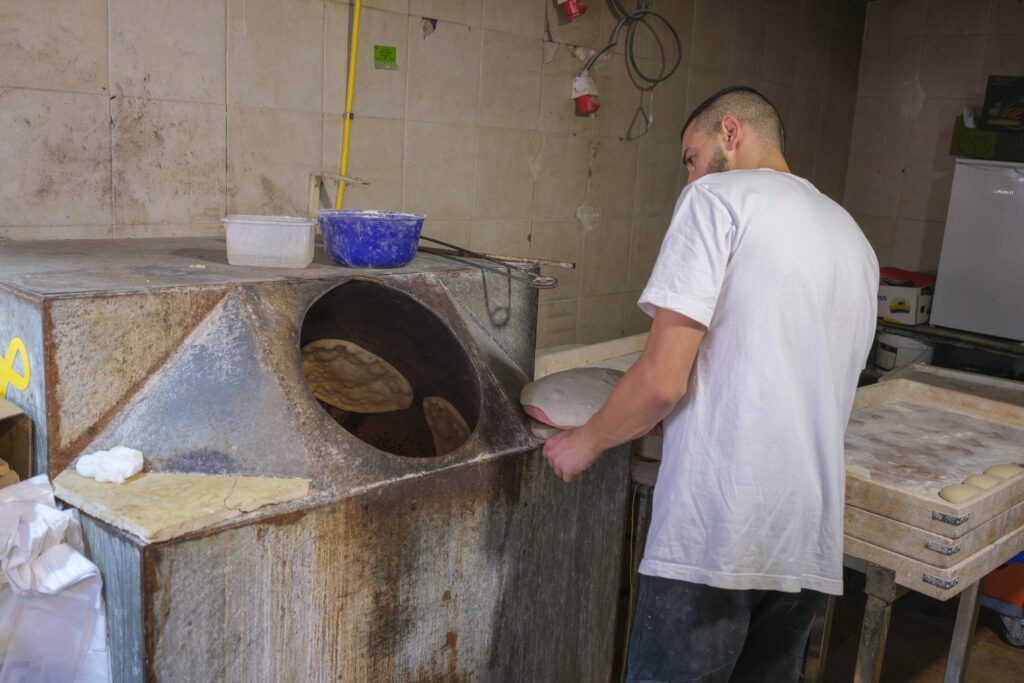
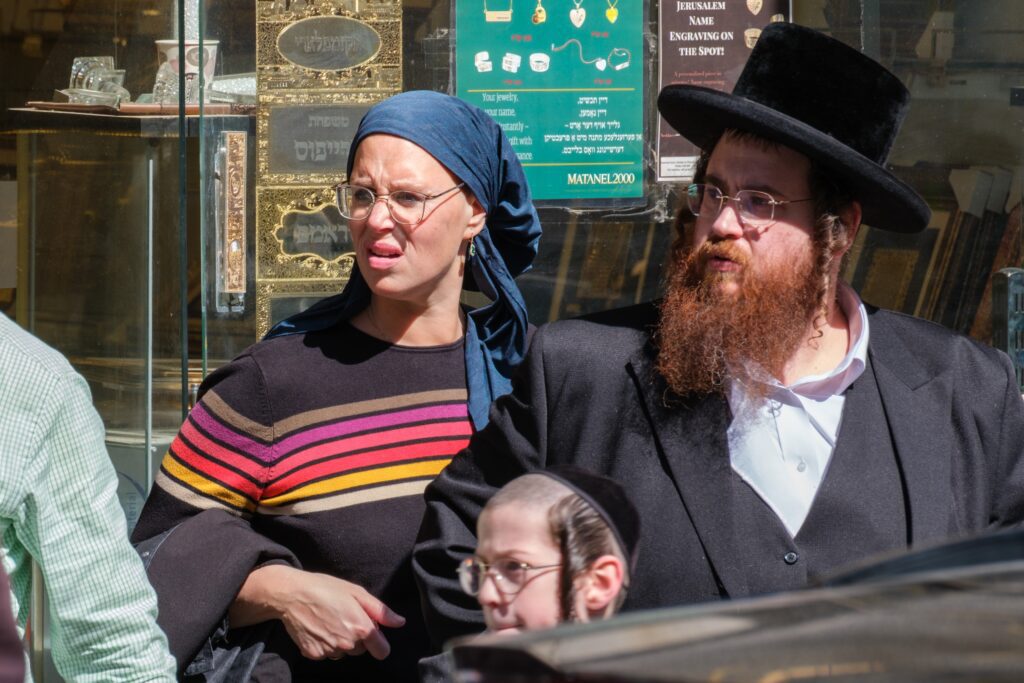
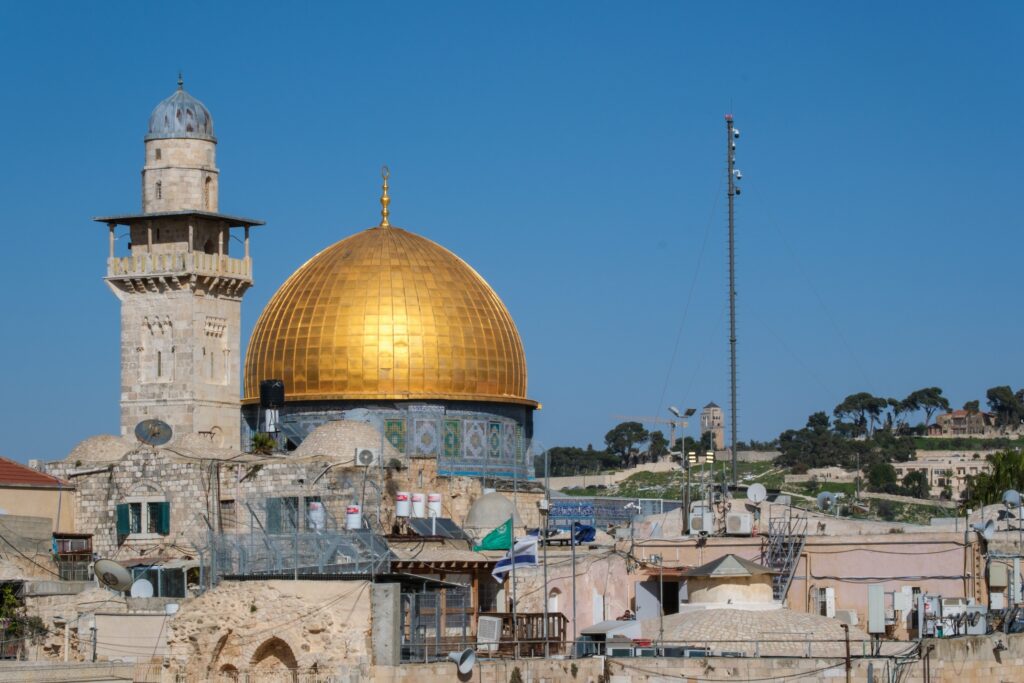
I stayed two more days, taking a tour with a professional photographer on Friday, with Shabbat at Kol Haneshama and shabbat dinner thanks to the Gibson family, who are members of the congregation. On Saturday morning, I visited a high school friend who had made Aliyah, and walked about 10 miles all over Jerusalem, before boarding the high speed rail to Ben Gurion airport.
There are more photos below, and I’ll share even more about my trip on May 1st at Shabbat at Temple. Thanks for reading this far!