
Ranata Shlobin’s Message, 2-20-26
February 19, 2026
Purim Spiel 2026
March 1, 2026
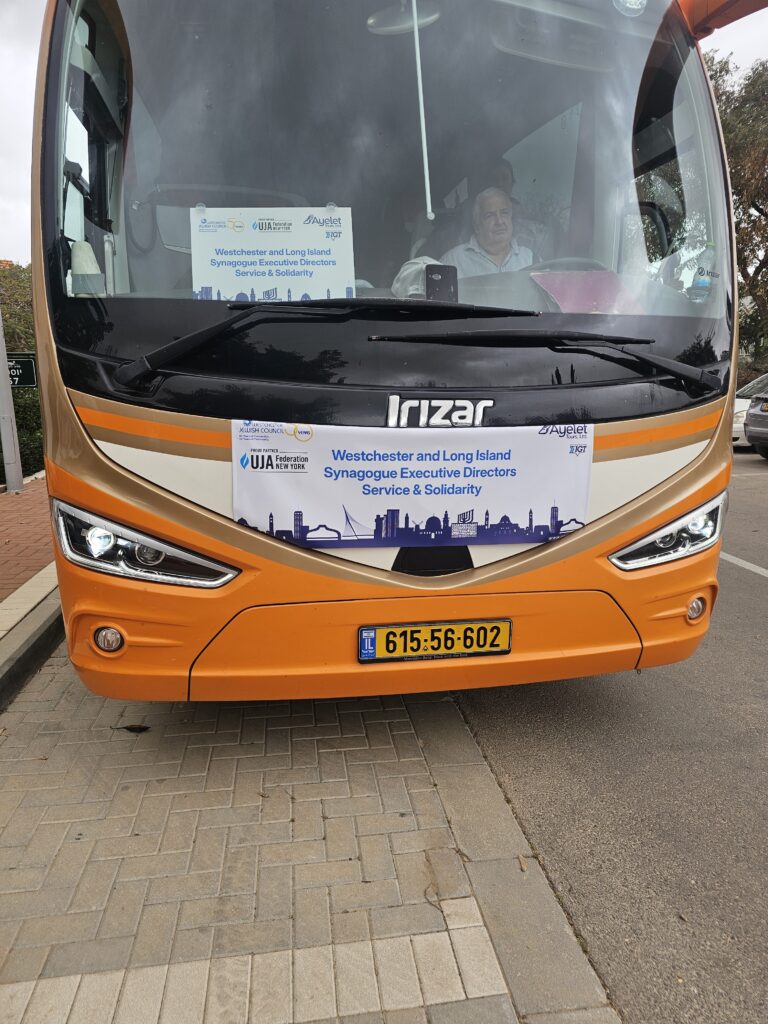
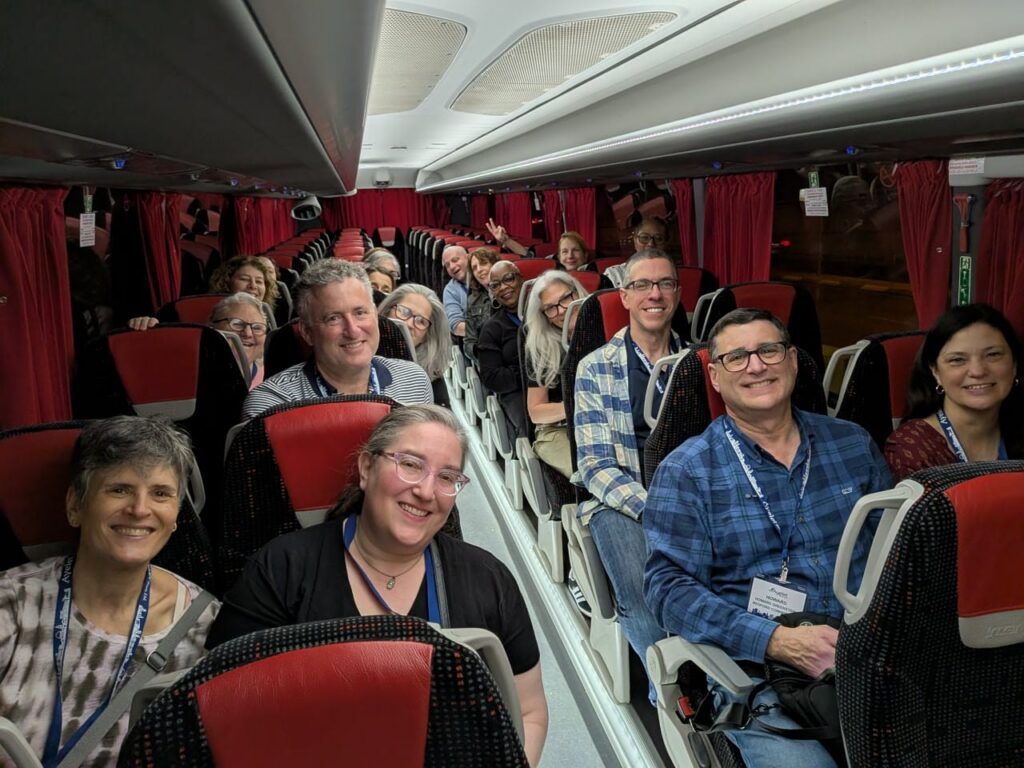 Late Saturday night, February 14th, I left JFK airport with 18 other executive directors from Westchester and Long Island, on the way to Ben Gurion airport in Tel Aviv for a trip entitled “Service, Solidarity and Stories.” Our directors group represented different aspects of our Jewish practices: Reform, Reconstructionist, Conservative and Modern Orthodox shuls. This was not a vacation experience. Though we supported restaurants and businesses, we were there to volunteer with various nonprofit organizations, bear witness to the resilience of the country after October 7th, and to hear the stories of survival and recovery.
The trip was generously sponsored by a grant from the UJA Federation New York with the assistance from the Westchester Jewish Council, and additional support from our Temple and Rabbi Ross. I thank them all for the chance to visit Israel for the first time, at a very important moment for our people.
For those who won’t read further, I will give you the “TLDR” version: Israel is a safe and beautiful place to visit. They need our support; tourist areas and businesses are struggling without a flow of visitors. This was one of the most powerful and moving weeks in my entire life. Read on for a story and pictures…
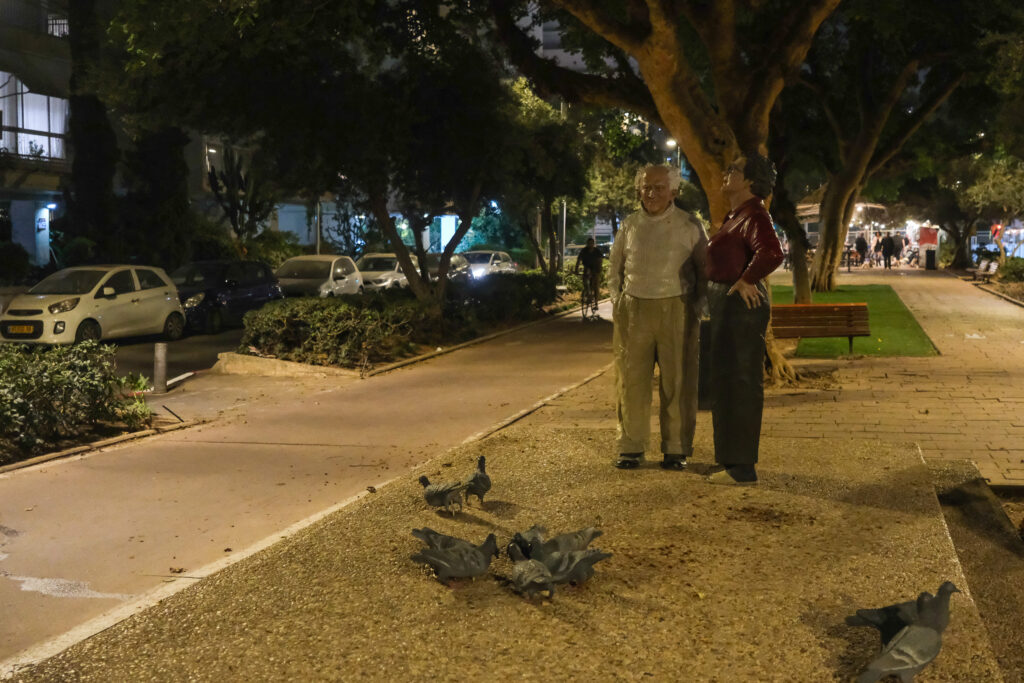
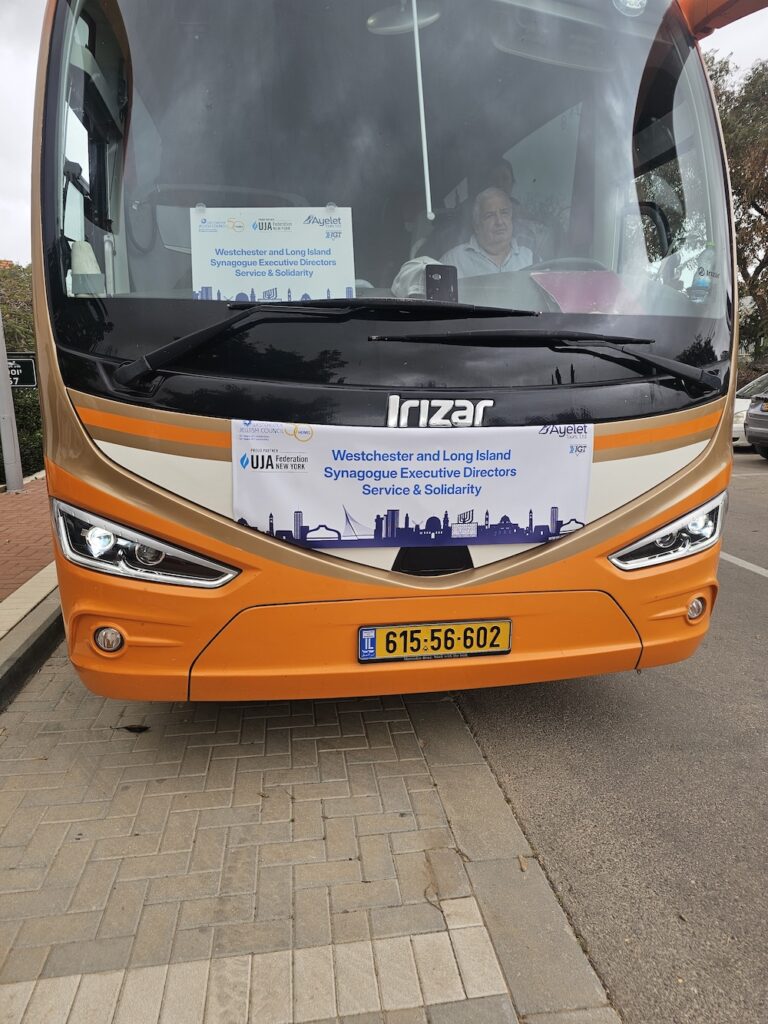
On Sunday afternoon the 15th, we were greeted at the airport and introduced to our tour guide, Carrie, and our bus driver Ronnie, from Ayelet tours. Our first itinerary stop was supposed to be “Hostages Square” outside the Tel Aviv Museum of Art. However, there no longer is a Hostage Square, because all have been released. We instead proceeded to our hotel, and then to a restaurant in the hip Nahalat Binyamin Street neighborhood.
In addition to a delicious dinner, we were joined by the parents of Tal Shoham. Tal spent 505 days as a hostage of Hamas in Gaza after being kidnapped from Kibbutz Be’eri. His wife Adi and two children, Yahel, age 3 and Naveh, 8, were also captured on October 7th, pulled from a window of a safe room along with his wife’s aunt and her daughter. They were released on November 25th, 2023.
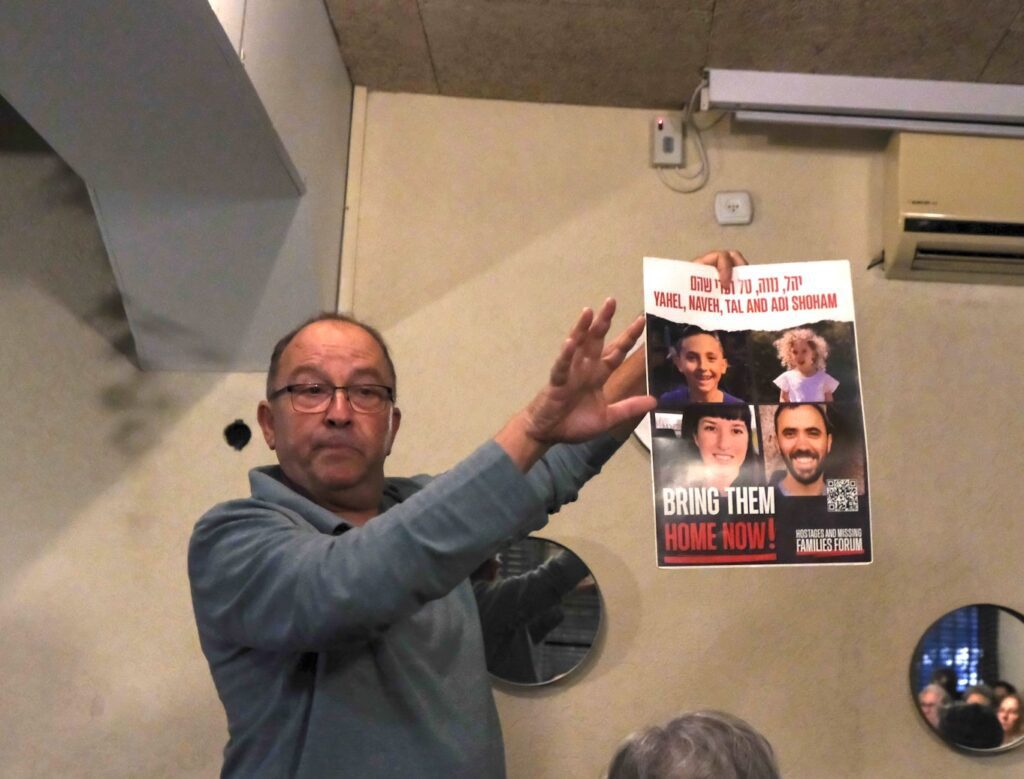
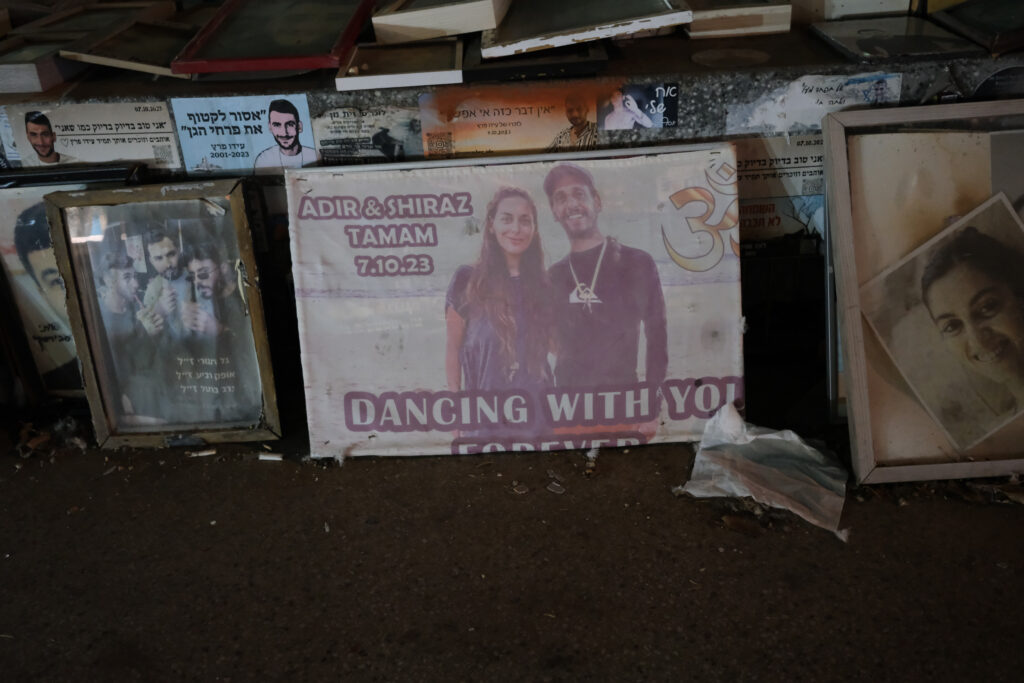
His parents explained the map of Israel, and showed the area where the Hamas invasion covered, including various Kibbutzim and Moshavim. (A Moshav is a community or village that is not co-operatives like a Kibbutz.) They described the pain of not knowing what was happening with their son, daughter-in-law and grandchildren, as well as the support they felt from around the world as communities like ours printed hostage posters and shared their hopes for Tal’s return. This was the start of a theme the trip returned to often – October 7th, 2023 was not simply an attack on Israel. It was a trauma for families, friends and the nation. Everyone knows someone who was killed or kidnapped, or a family who it affected. Every picture on a hostage poster represented a real person with a family holding out hope for them.
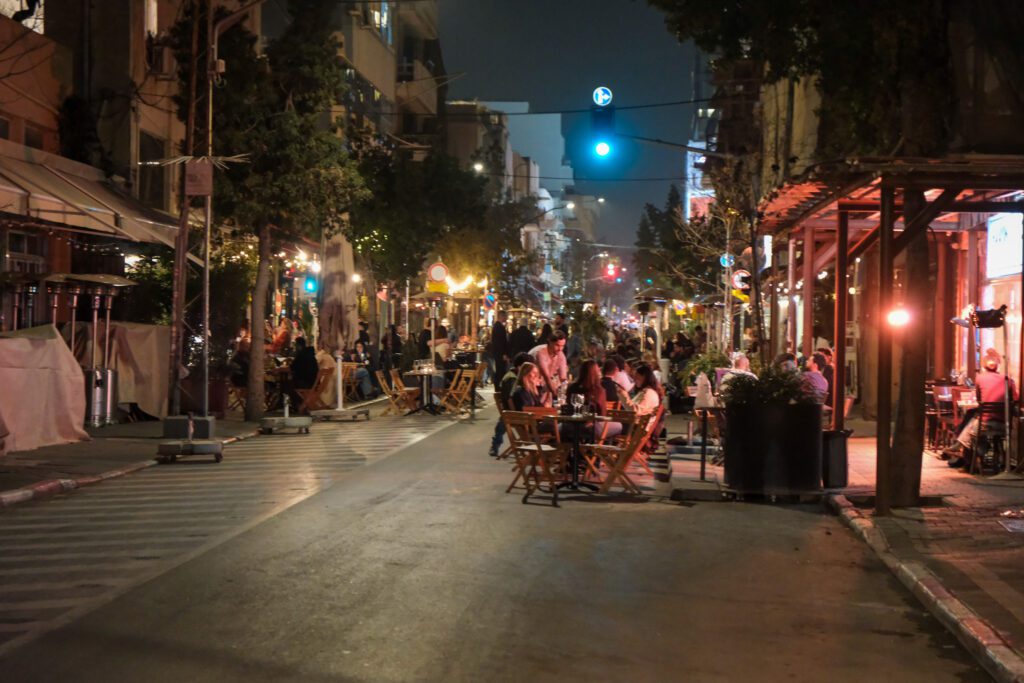
After a heavy dinner, both content wise and filled with delicious meats, vegetables and desserts, we explored the artsy, young neighborhood, before returning to our hotel to try to sleep off the jetlag, with mixed success.

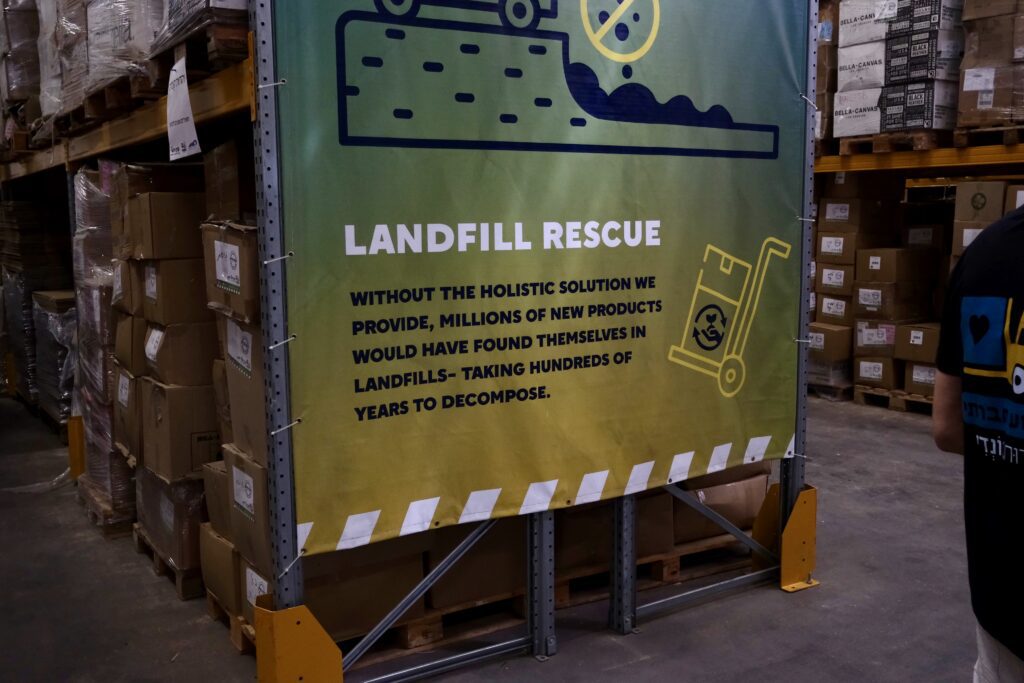
Monday morning the 16th started with beautiful Tel Aviv sunshine. We enjoyed breakfast by the Mediterranean before jumping on a bus to Social Delivery, a social justice organization that connects unwanted surpluses from retailers and offices, and redistributes them across Israel to communities affected by the war, or communities hosting internally displaced individuals. Think recycling and reuse, logistics and distribution and social justice with an eye towards keeping people’s choice and dignity.
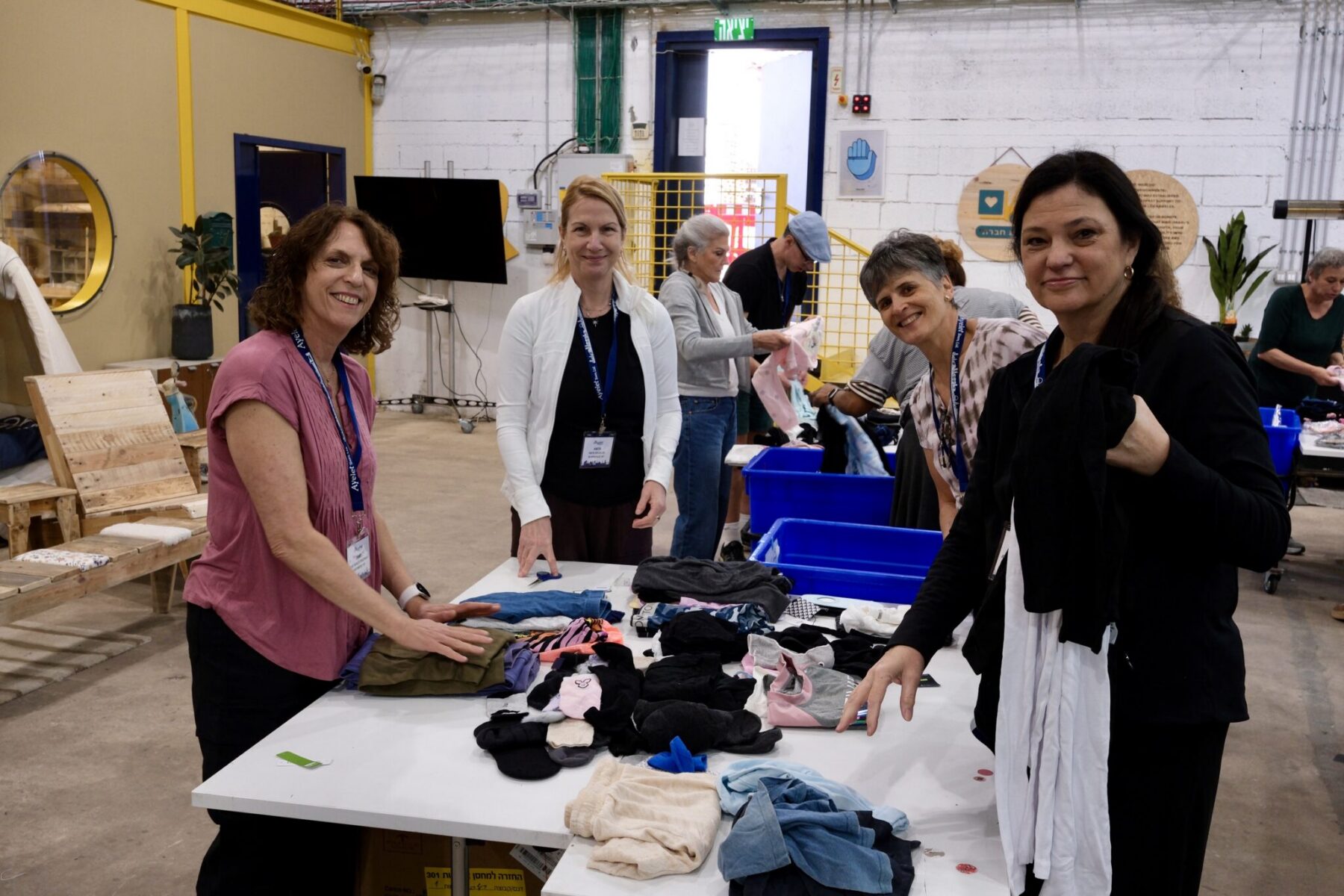
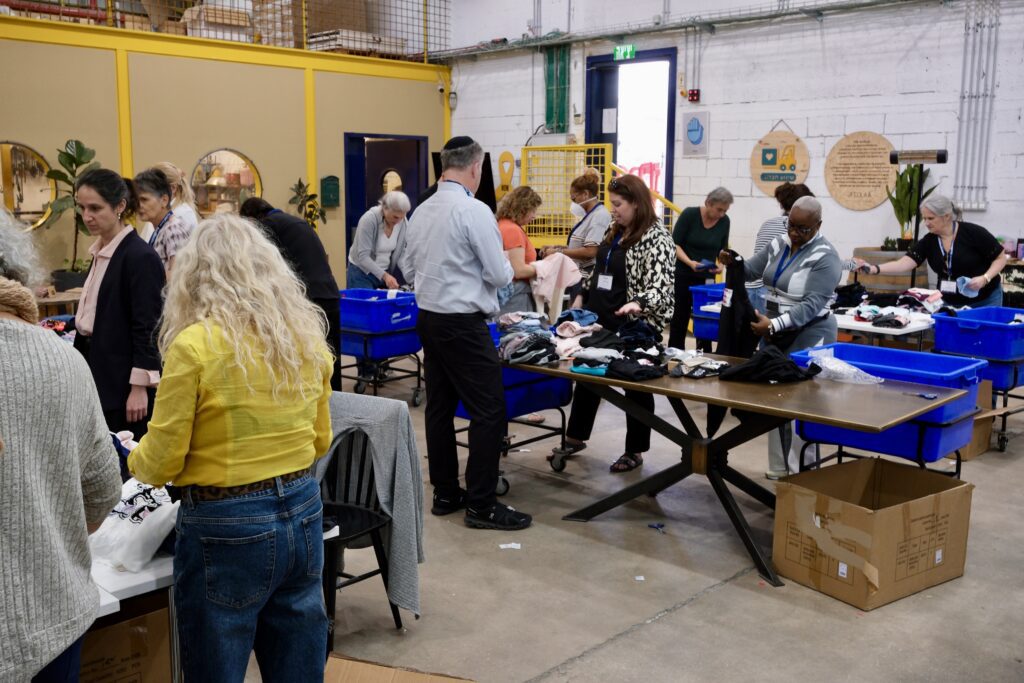
After hearing about their mission from their development director, we took action. We spent time checking clothes, removing tags, and sorting donations from the Delta clothing brand into size and age range boxes. The clothing will be shared with partner “shops” where displaced individuals get an allowance card. Instead of simply giving kids or adults clothing they may not like in colors or styles that don’t resonate, the people can shop using their credits for new clothing for themselves and their children.
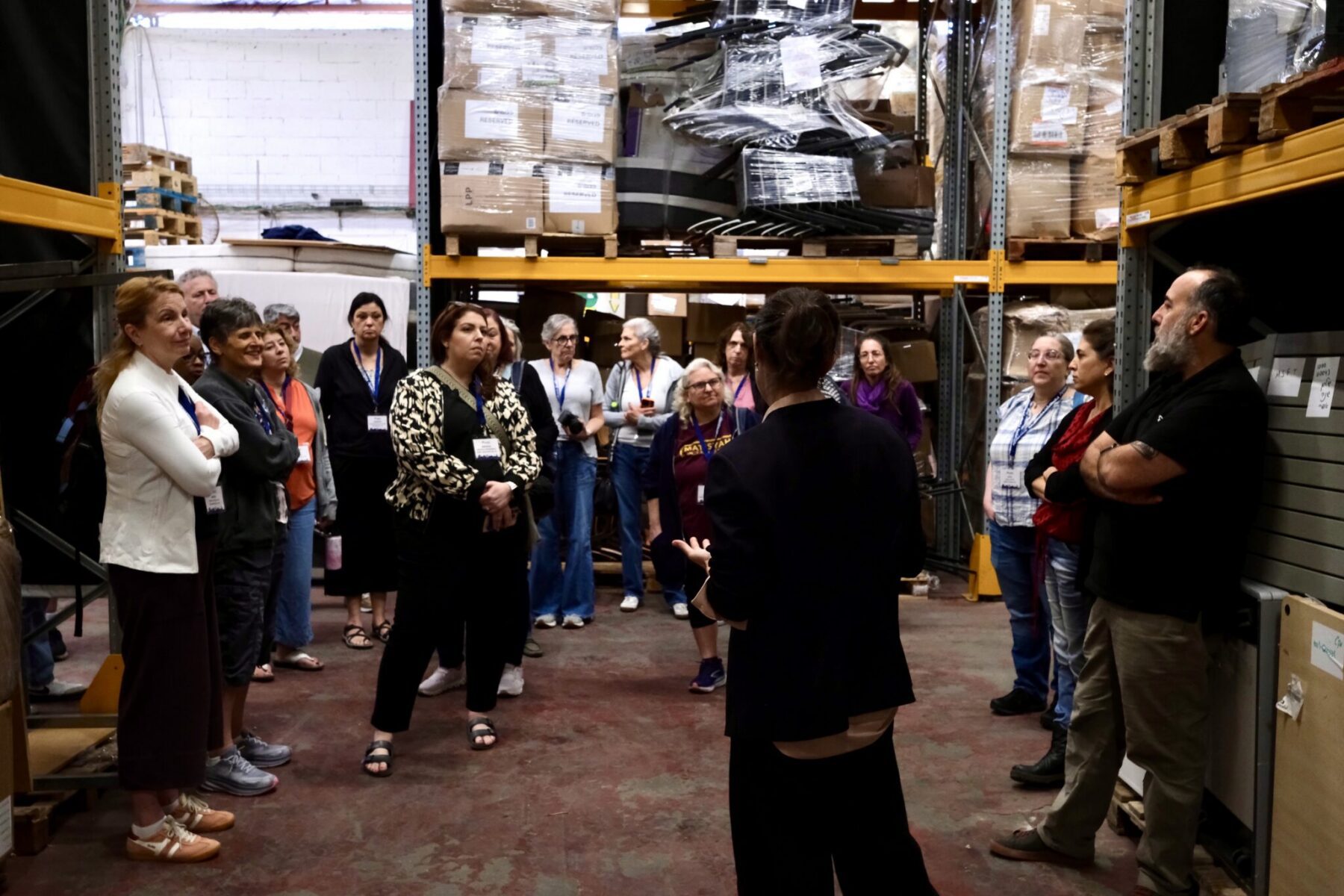
We also saw racks of office furniture being used to help build community center offices in various communities that are rebuilding. Nonworking office equipment, appliances and other mechanical equipment are repaired by volunteers. Textiles deemed not suitable for distribution are recycled or used in art projects. One of my peer directors noted that the energy was palpable. Though we were in a warehouse, the space felt comfortable and designed with purpose, the volunteers were energetic and happy to be making a difference. A truly impressive enterprise that is delivering hope along with clothes and furniture.
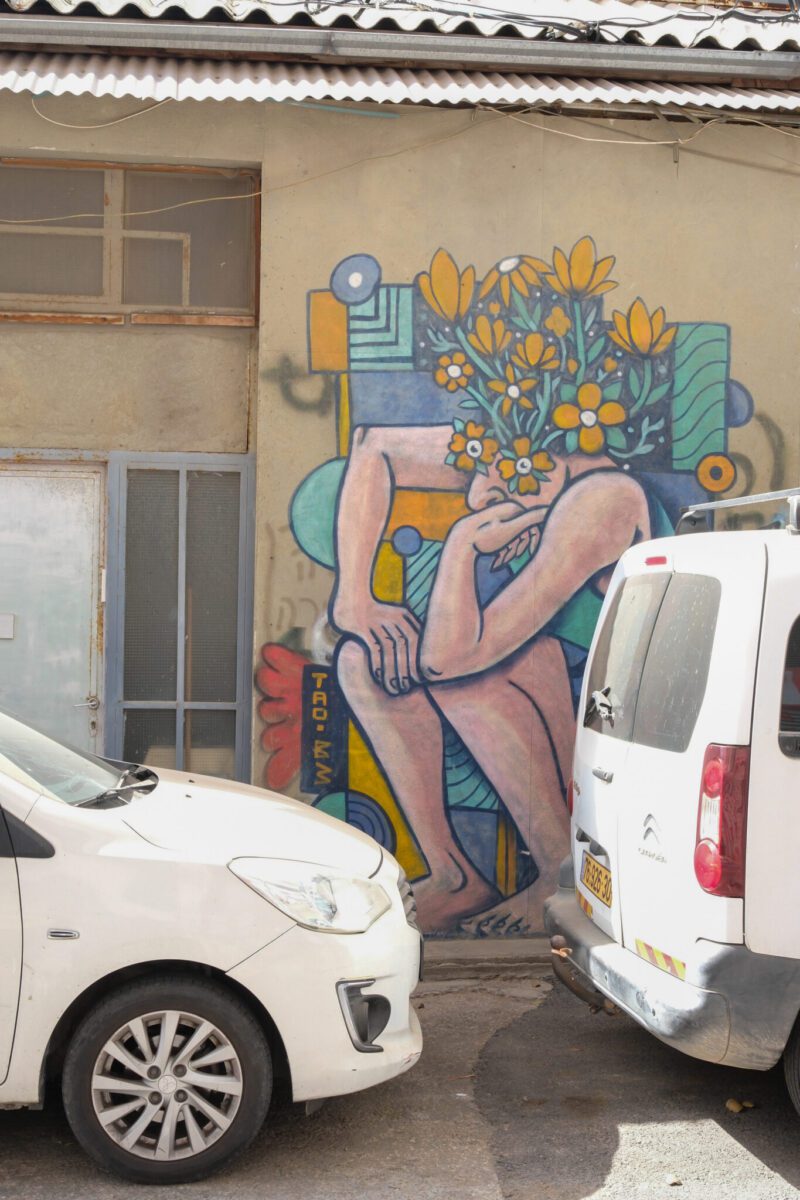
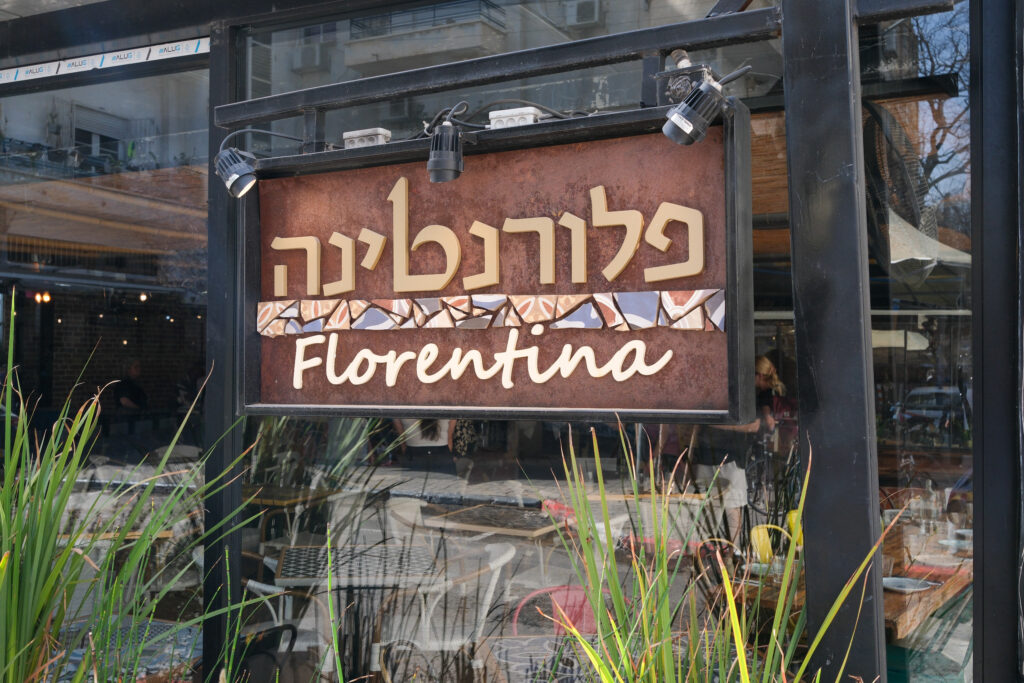
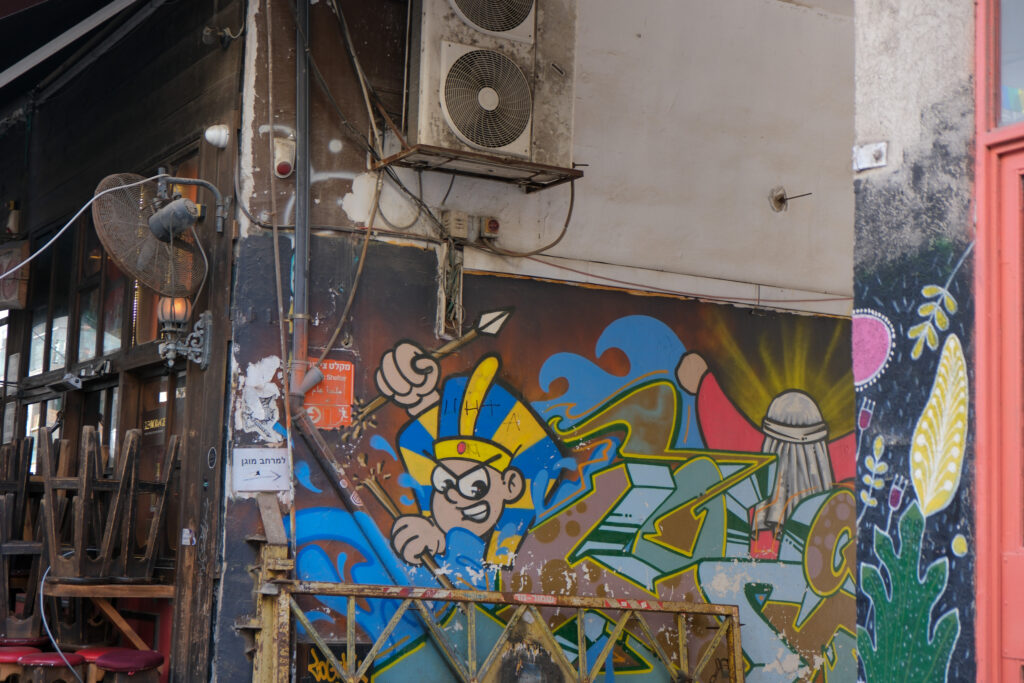
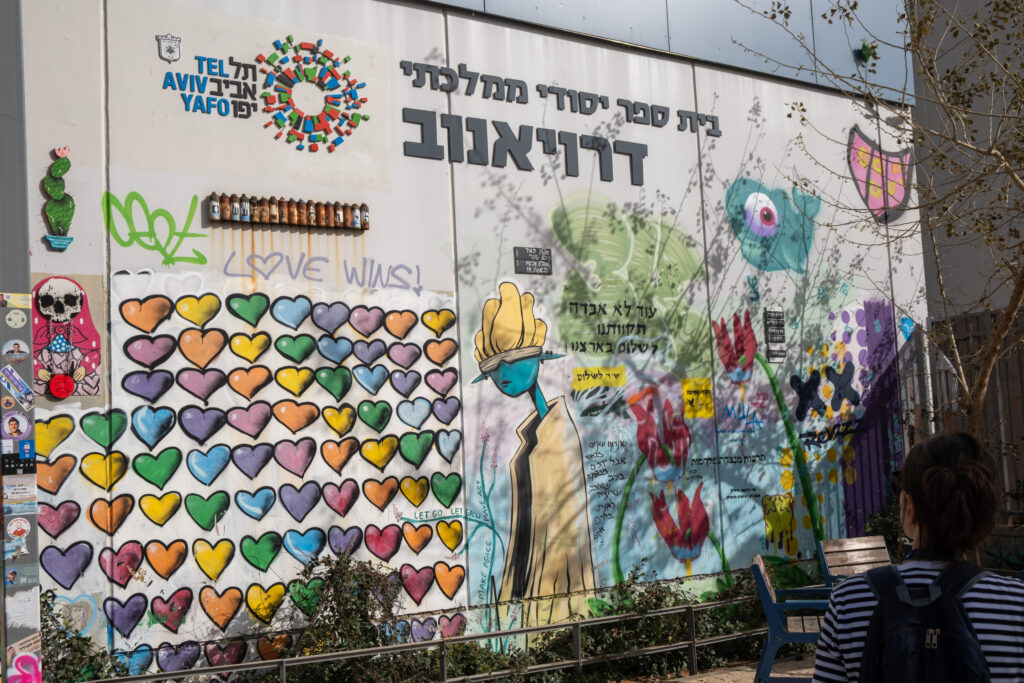
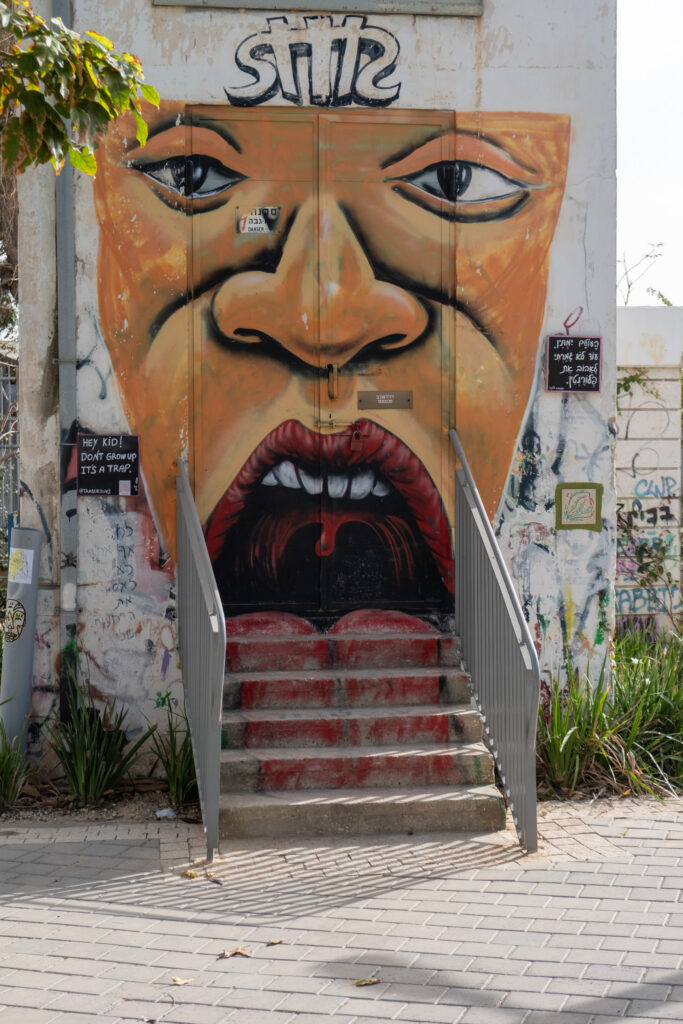
We returned to Tel Aviv for a dairy and vegetarian lunch at Florentina in the Florentin district. The neighborhood is famous for its street art and one of the graffiti artists took us on a tour. Graffiti is defined by being public and illegal. She started by asking our impressions of people who graffiti walls and other areas of a city. The usual tropes of gangs, drug dealers or mis-spent youth were quickly dispelled as we saw various social statements, art projects, talent and the beauty behind the spray painted walls. Graffiti artists can make statements which other artists answer – an argument in pictures, if you know how to read it. Art can express pain, and the country had lots to express.
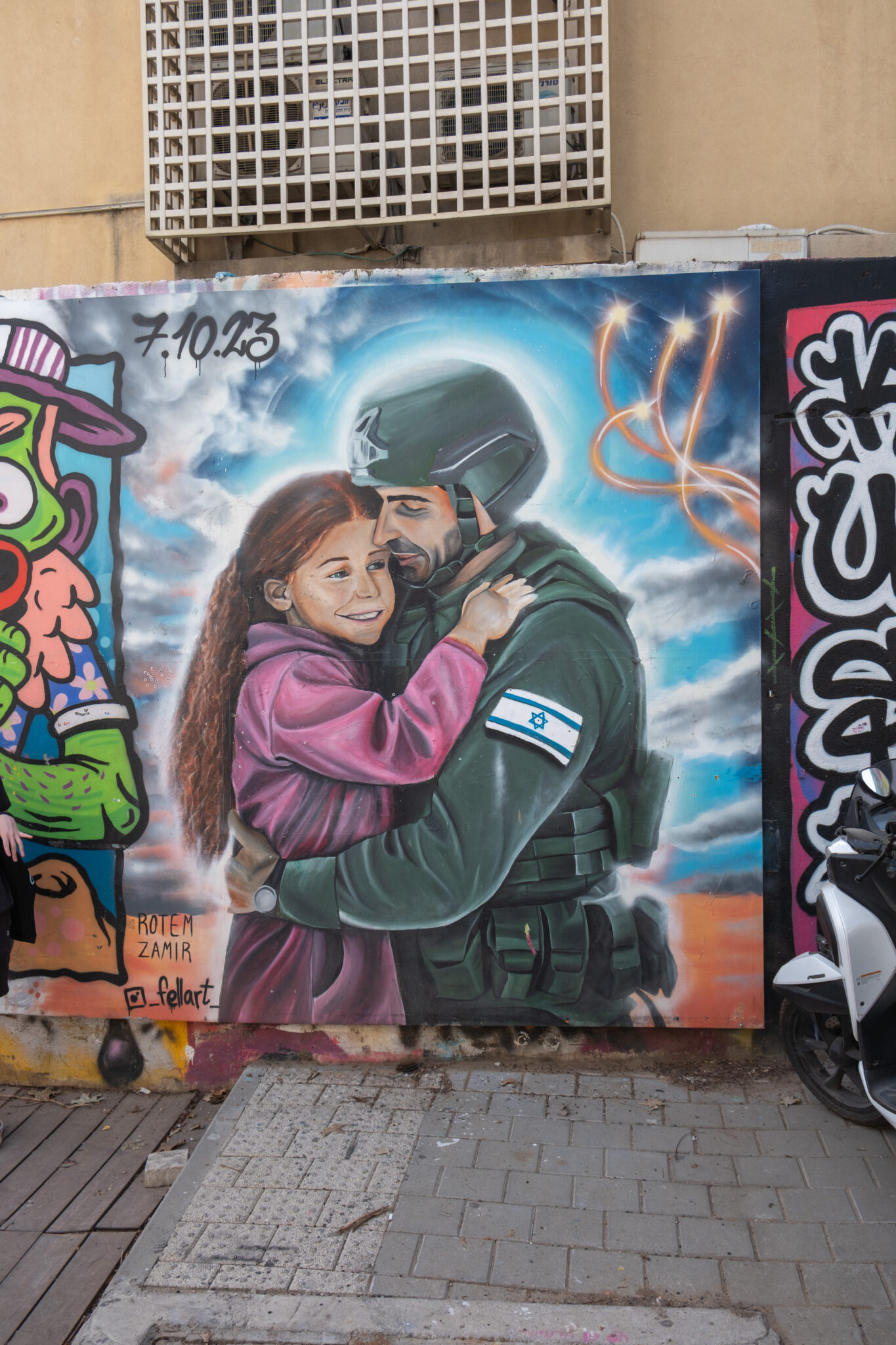
From stickers to murals, we learned stories behind the spray paint. To make it super relevant to our New York experience, it turns out that two prominent graffiti artists in this neighborhood are the instigators of the “Kidnapped in Israel” posters which became ubiquitous around the world. Artists Dede Bandaid and Nitsan Mintz, prominent artists whose works appear all over this neighborhood, created the project as a variation on the milk carton photos of the 80’s.
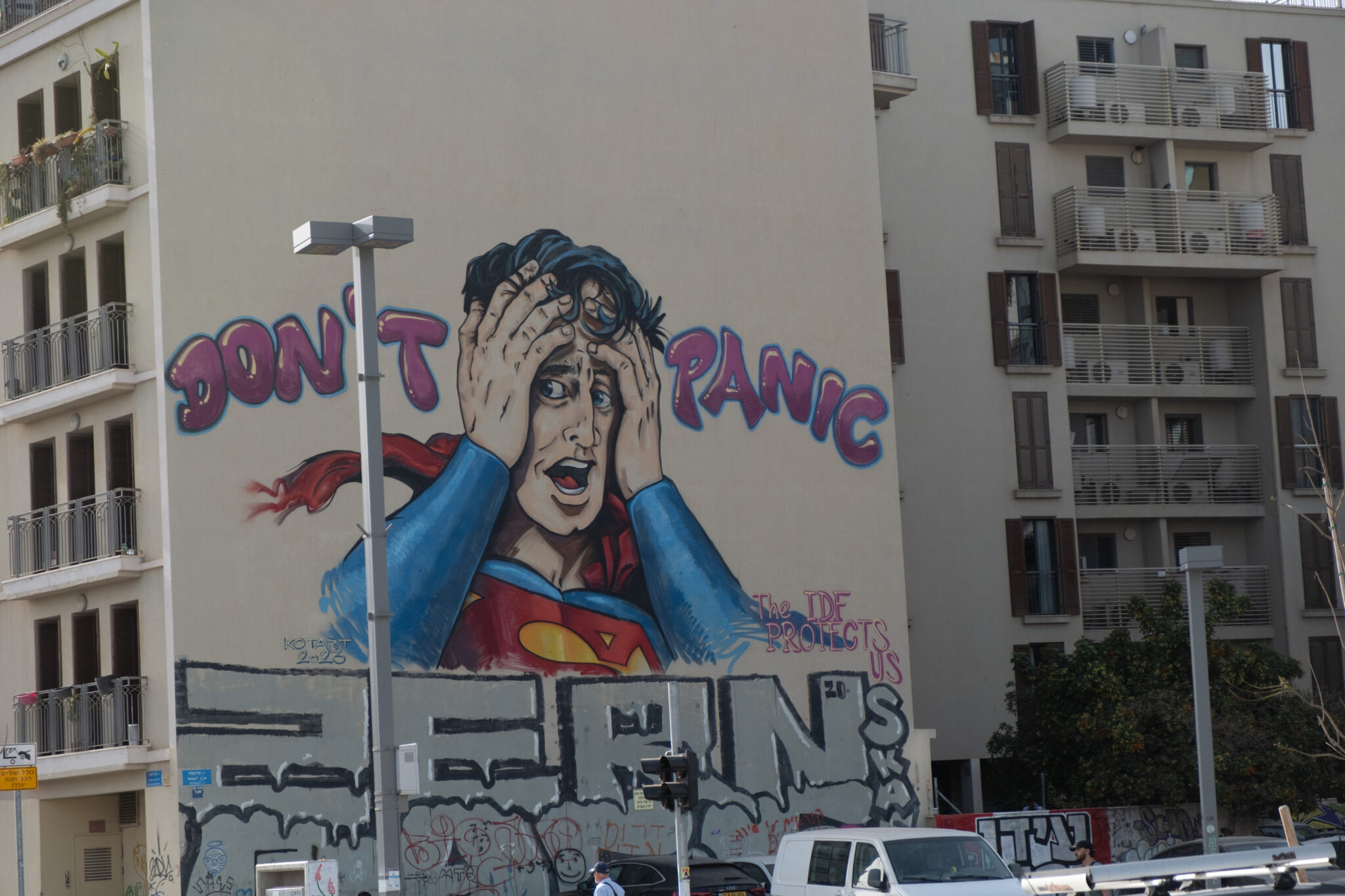
As a photographer, I couldn’t stop taking pictures and hope to return some day.
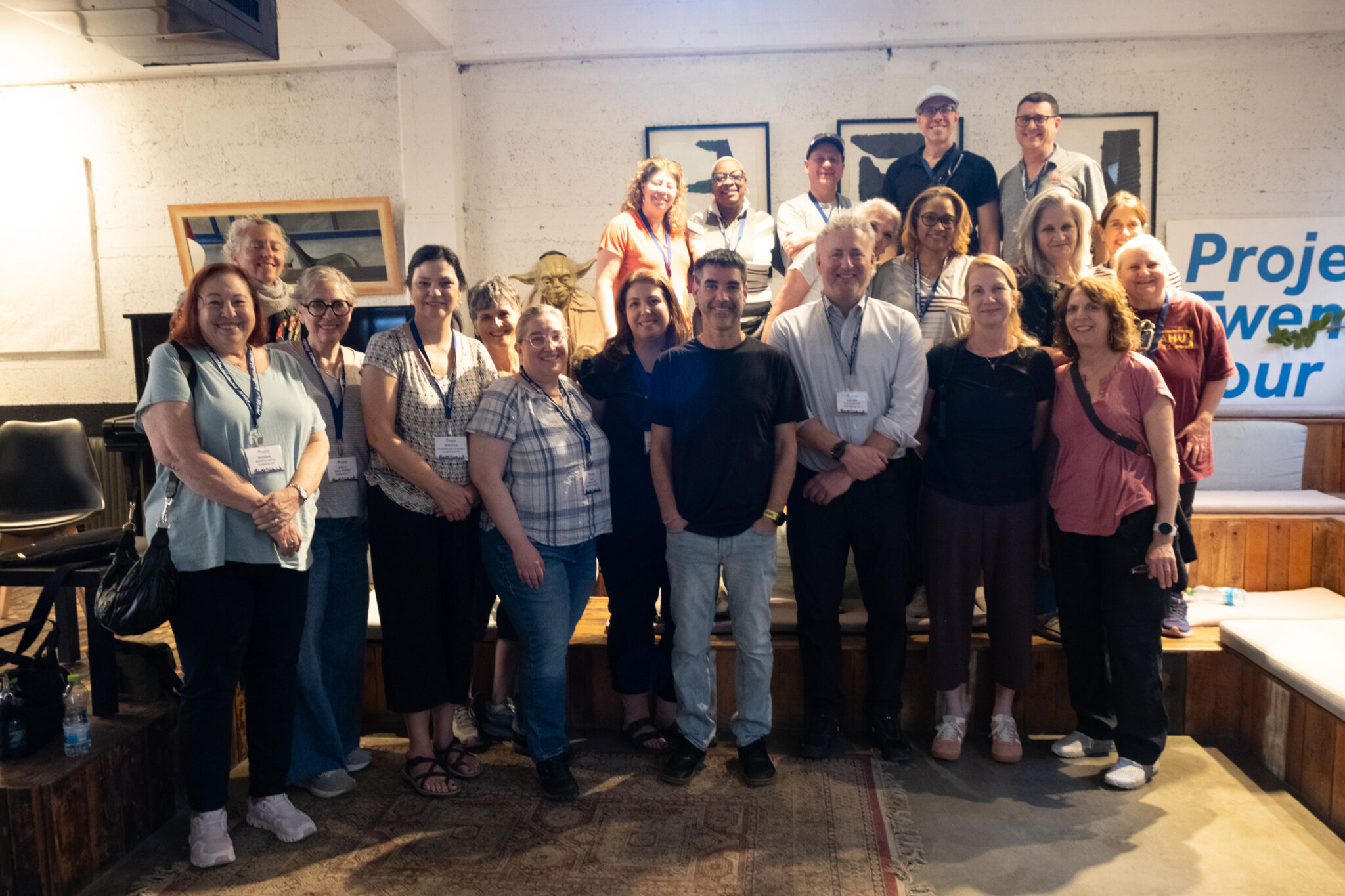
We then went across town to a light industrial building to learn about Project 24, a dynamic grassroots organization addressing social challenges through education and community support. CEO Daniel Gradus explained how the organization has connected many in displaced communities with communities in the US in dynamic visits that encourage collaborations. One example is a US boy looking for a mitzvah project. He is a huge basketball fan and was connected with the organization. They had him coach and manage, via Zoom, an Israeli basketball team of kids living together after being displaced from their homes during the war. Eventually the boy and his community raised funds and the Israeli team visited the US to play against the bar mitzvah boy’s school and several other schools. In addition to friendship and community building, a community member connected the group with an NBA coach, who gave everyone time and tips, and the group got to see a professional game. There are many stories like this on their website. Project 24 continues to connect groups in Israel to those in America for resilience and community building.
After this long day, we returned to the hotel for “dinner on our own.” Our guide, Carrie, lives in the area of Dizengoff Square.
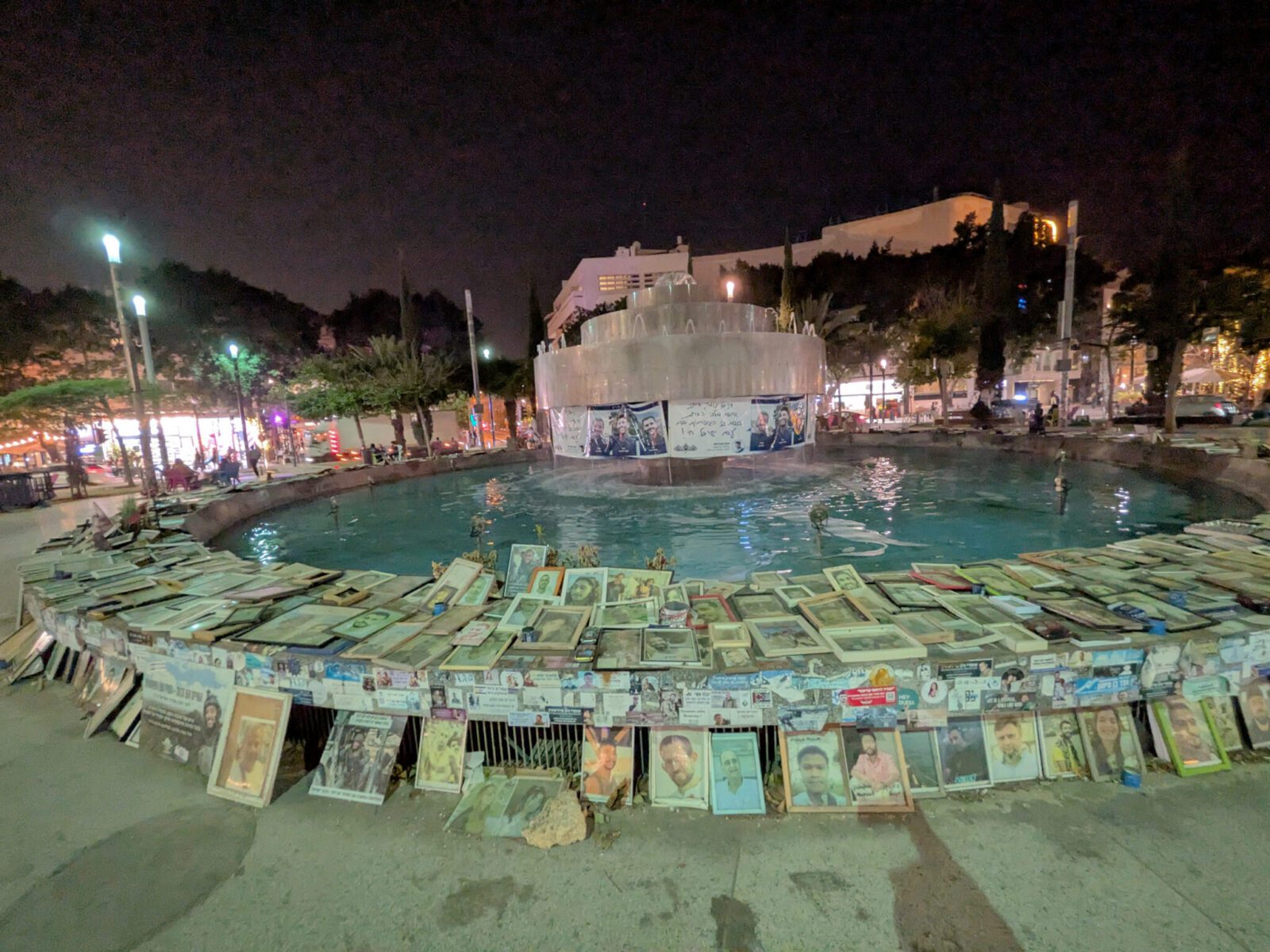
She took us down Ben Gurion Street to Dizengoff Street, and we perused restaurants until we got to the square (which is actually a circle.) There, ever the guide, she told us of how journalists were using the location to broadcast news about the war. She and friends started hanging pictures of fallen soldiers on tree branches in this location. The trend took off, and as you can see in the photos, the entire area is a tribute to soldiers who died in this war.
There’s so much to say about this trip that I’m going to break my report up into several parts. Stay tuned!