
Purim Spiel 2026
March 1, 2026
Ranata Shlobin’s Message, 3-13-26
March 12, 2026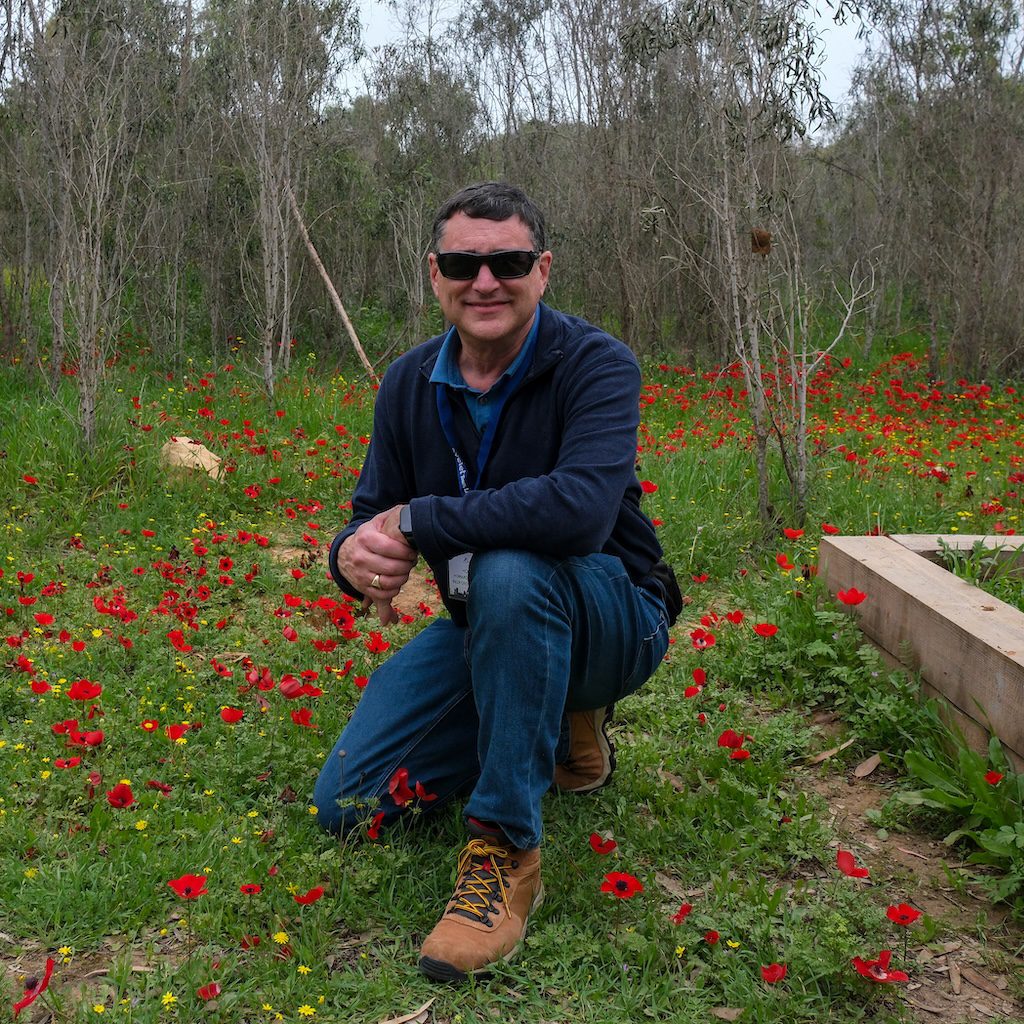
(Start here If you missed Part 1.)
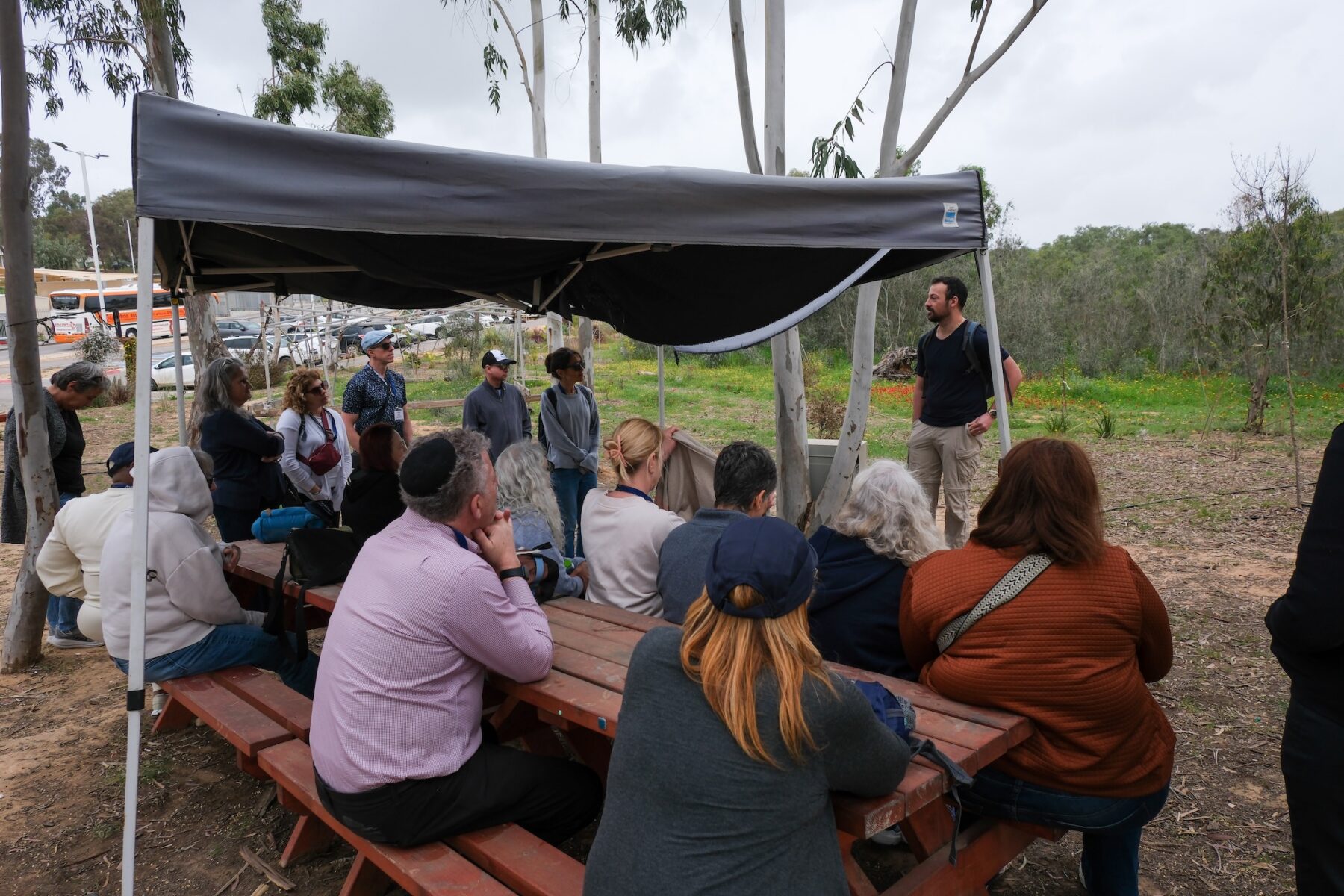
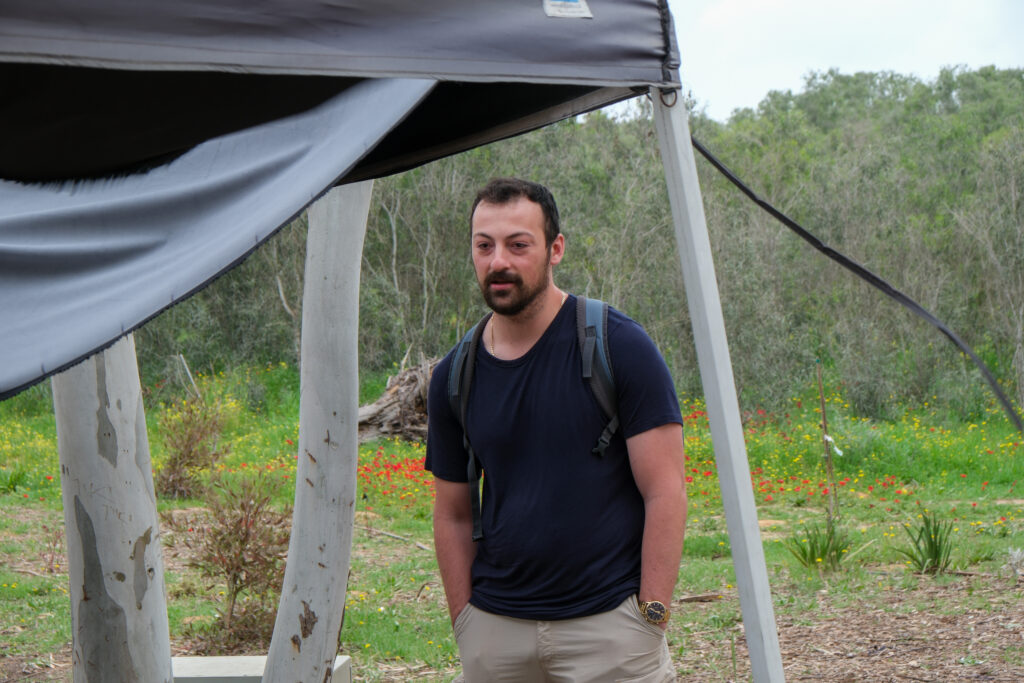
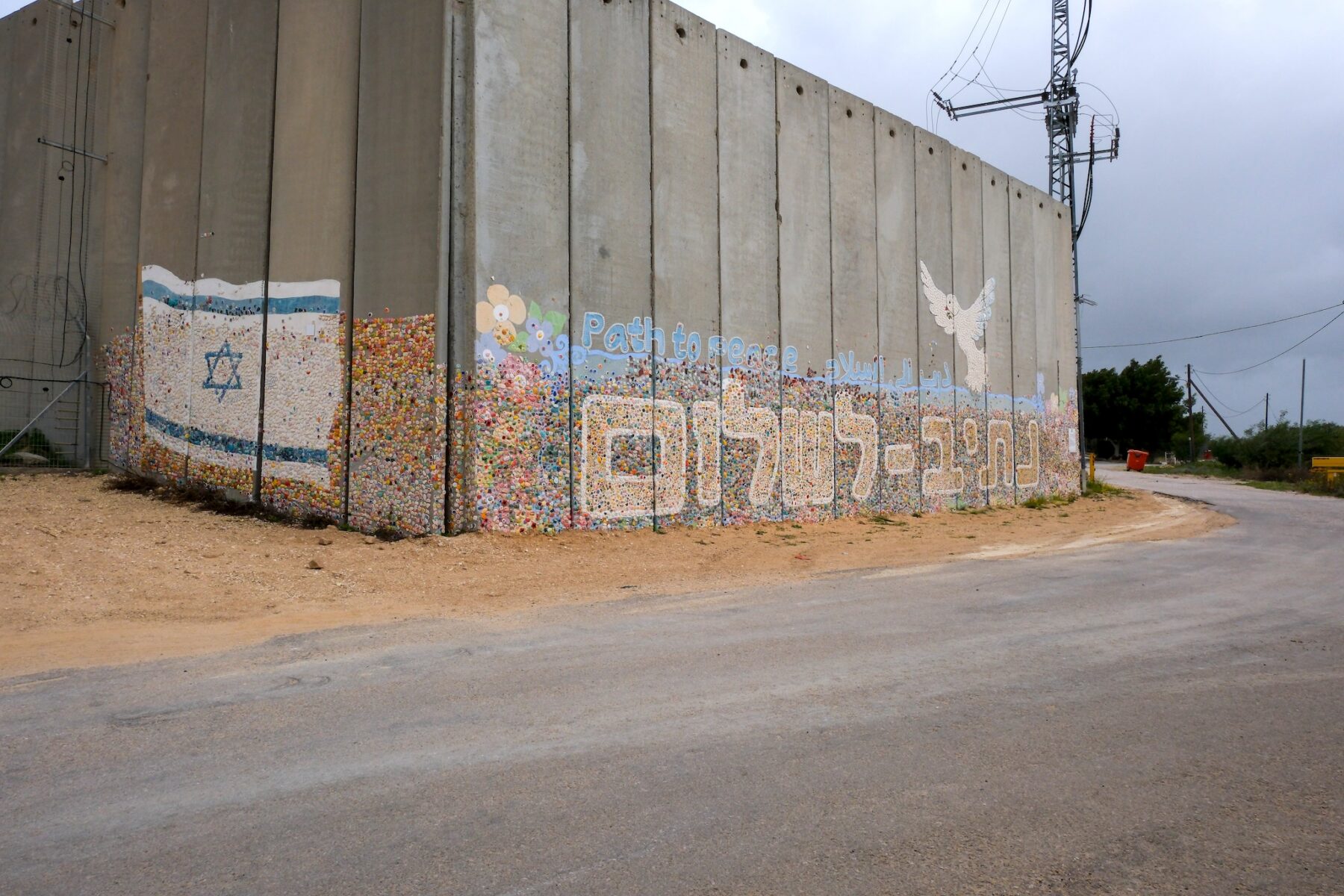
The next morning of my trip to Israel, Tuesday the 17th, we were joined by Natan Davids, son of my colleague Jennifer Davids. Natan is living in Israel, having made Aliyah, and was deployed after October 7th. He provided some specific insights during our day in the south. We headed to the Gaza envelope, and visited Moshav (village) Netiv HaAsarah. This community is located just 400 yards from the former Erez Checkpoint where 60,000 workers commuted daily from Gaza to jobs in Israel. Netiv HaAsarah is also famous for its Path To Peace wall mosaic art project on the protective wall facing Gaza.
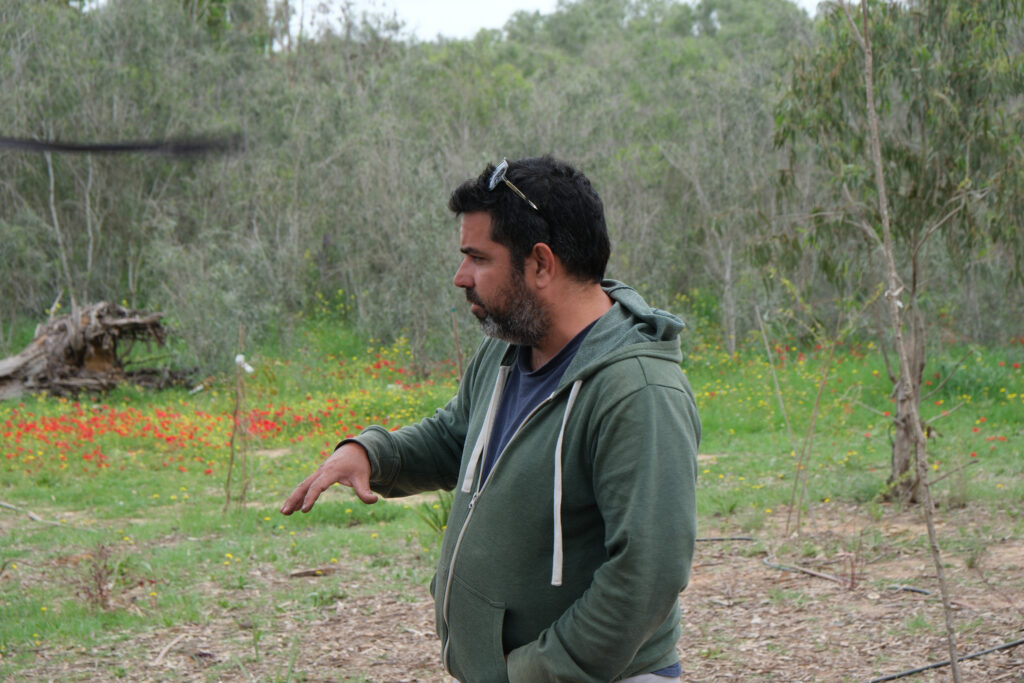
We heard from Rivka, a resident who told us of her experiences living in the area. She showed examples of various rockets, mortars and shells that regularly would fall on the community as the one closest to the border.
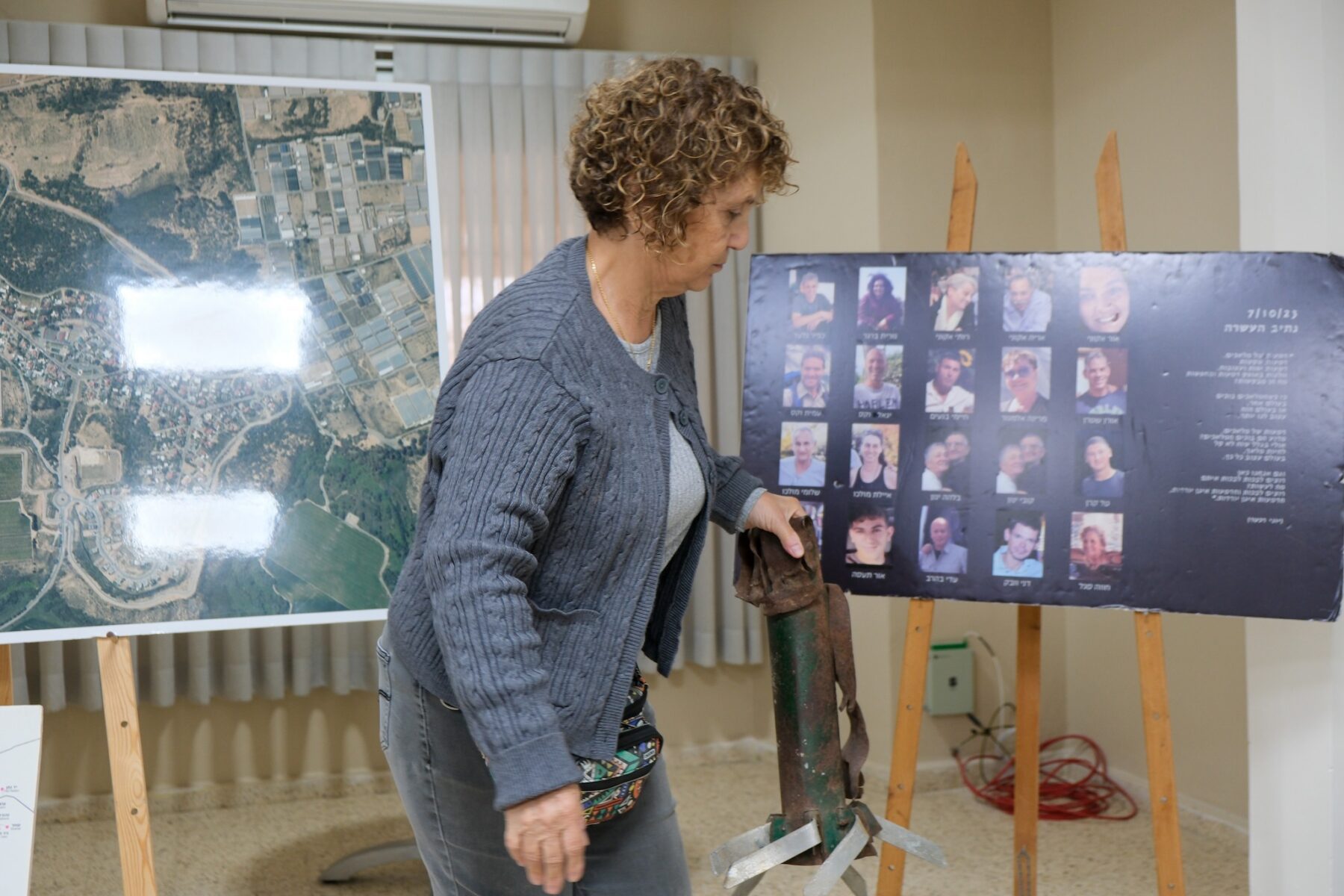 She also told us of the story of hiding in their safe room on October 7th, while some of their neighbors who belonged to a reaction squad tried to protect them. They sat terrified, waiting for an army that didn’t arrive until very late that night. It’s quite an experience to hear someone talking about the bravery of their neighbors, who literally laid down their lives to protect their neighbors and families while being outgunned. To show how small the world is, Rivkah told us the story of a young man who left his house to protect his neighbor’s children, whom he heard crying. The man was killed. Fast forward one week after our trip, and I’m at a party for a friend. When I said I had been to Netiv HaAsarah, his sister told me the same story of that boy – a good friend of hers. We are all connected to Israel, we may just not be aware of it.
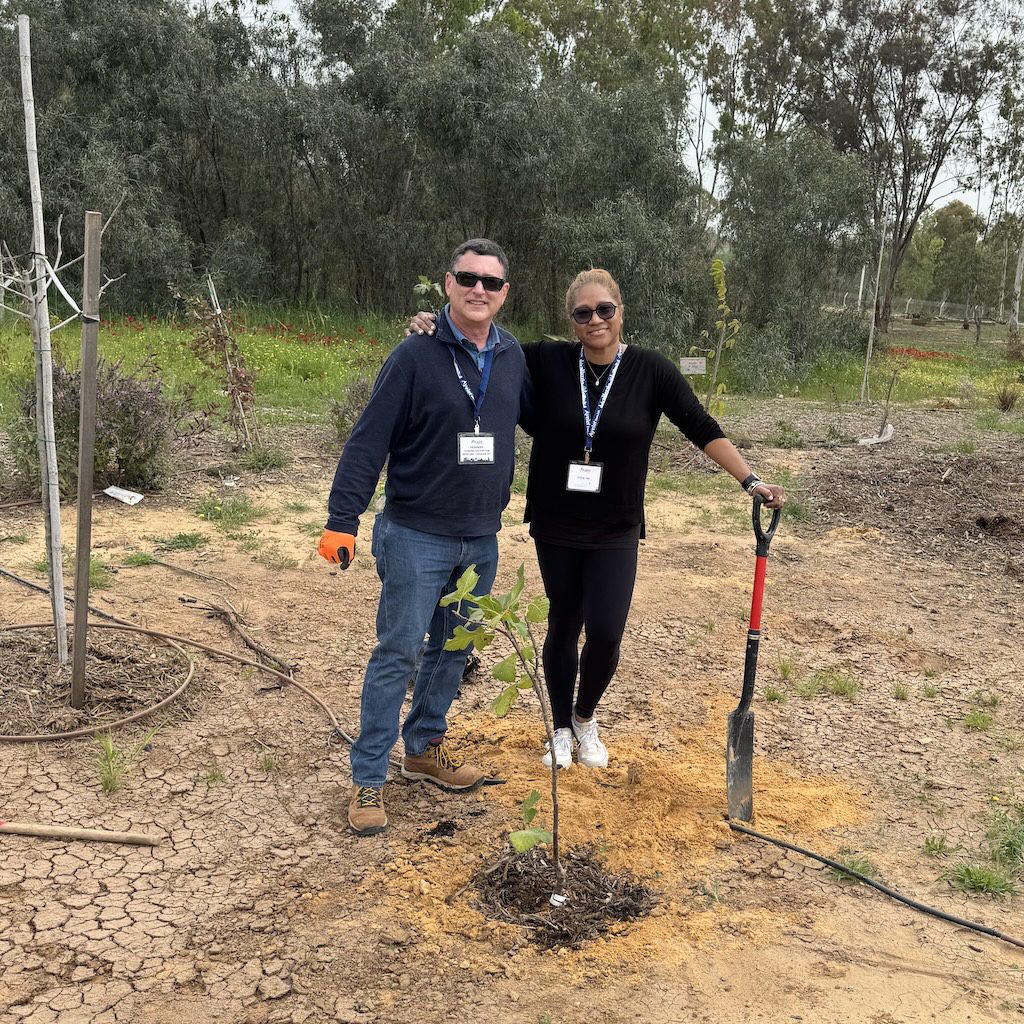
After seeing the peace mural and the newly planted olive tree grove, with one tree for each member of the community killed, we proceeded to Kibbutz Ruhama, one of Israel’s first Kibbutzim. They created a new neighborhood with prefabricated buildings and housing to help relocate members of Kfar Aza kibbutz. These prefab buildings were quickly installed, and no beautification was done. As a group, we helped Venatana, a nonprofit that is attempting to beautify these areas by planting trees and gardens for each displaced family. Our group donned gloves, grabbed picks and shovels, and weeded an area in front of a new school and children’s recovery center. We planted new trees in a park area across the street from the school near where their farmer’s market is held.
Then it was back to the bus to ride to Sderot. After a satisfying lunch at the local shawarma joint (5/5, would buy again), our guide Carrie walked us through the Sderot Police Station monument, and described the battle for it on October 7th.
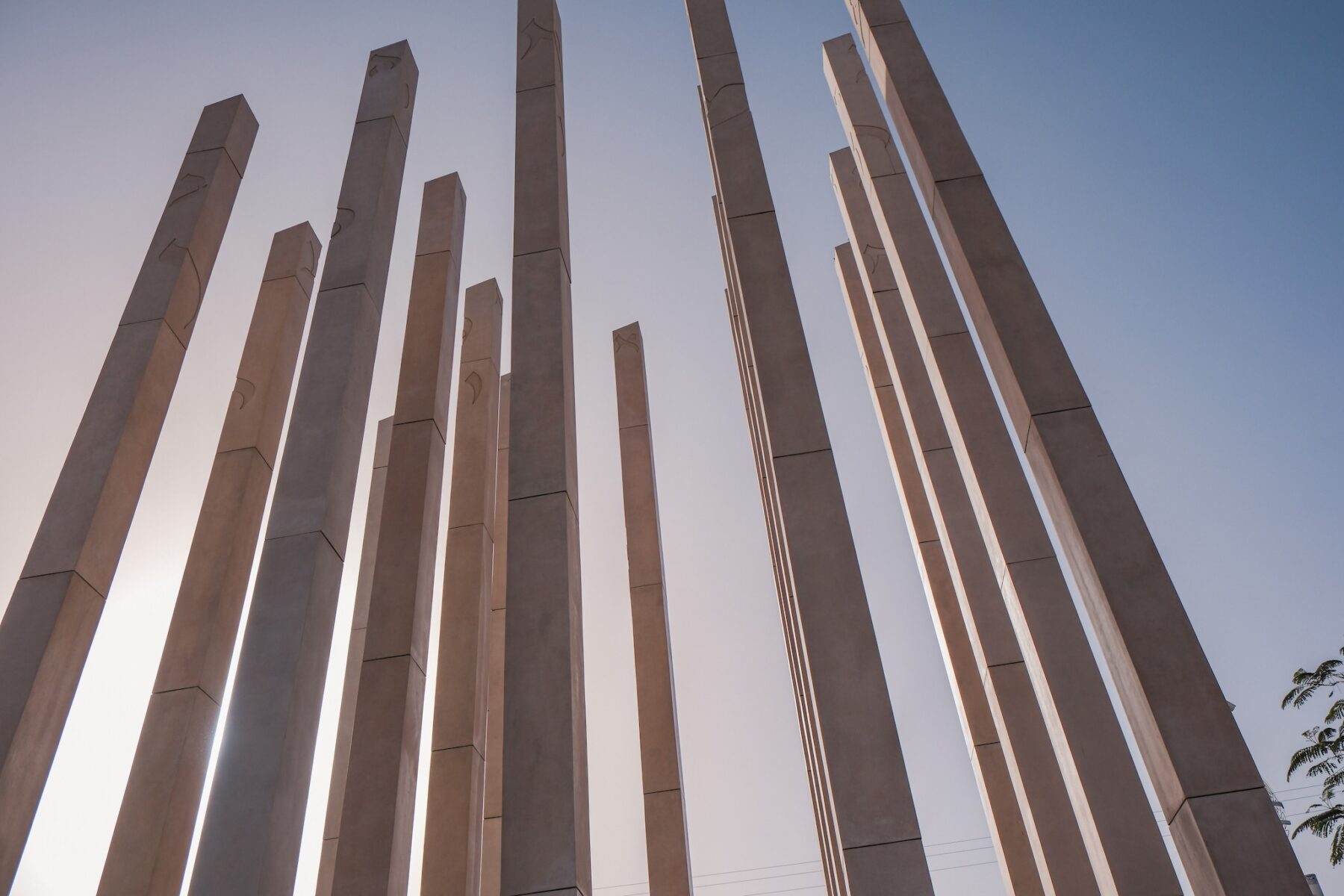
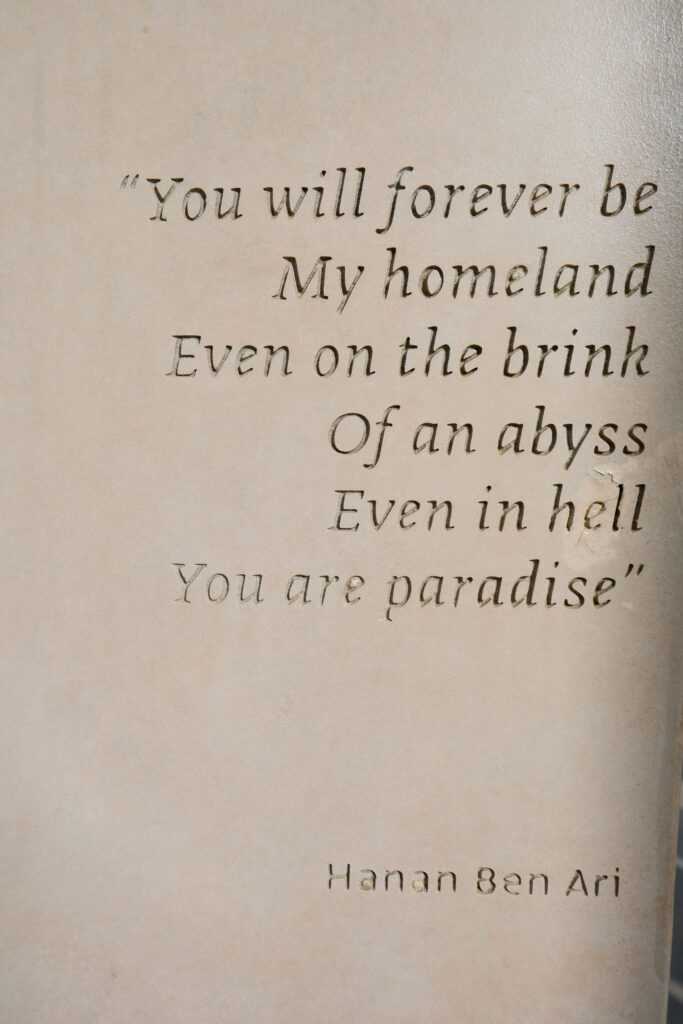
I had not heard the story, one of many from that day. In total, 53 people were killed in Sderot amid the Hamas onslaught, including 37 civilians, 11 police officers, two firefighters and three IDF soldiers. The monument stands on the site of the building, each pillar reaching 11 meters high and inscribed with a poem, quote or biblical passage.
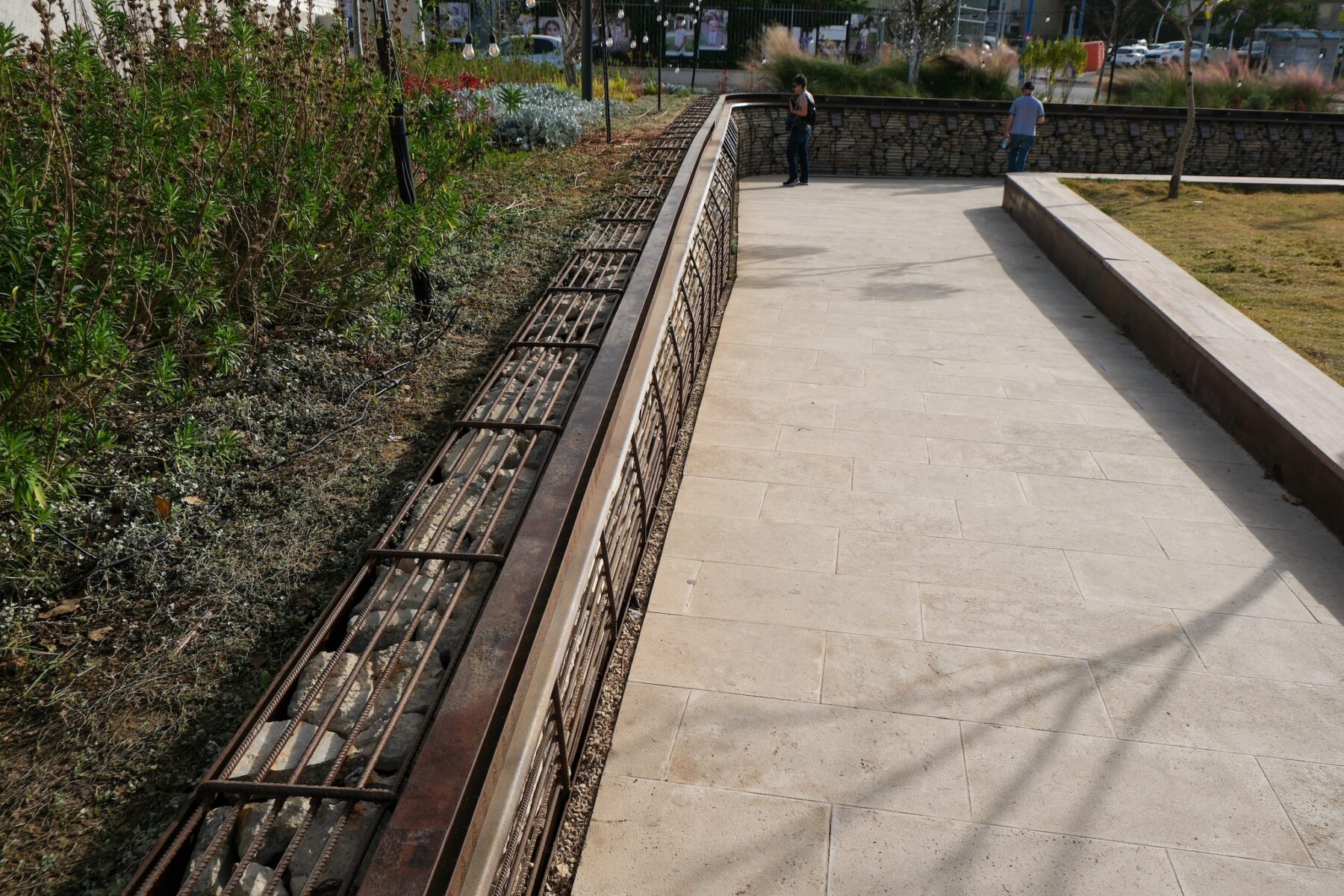 The path of the fallen, located next to the pillars, and built from the actual ruins of the old police station, is dedicated to the 32 residents of the city who were murdered in the October 7th attacks. Walking through this monument gave me a similar feeling to walking around the 9-11 memorial in lower Manhattan.
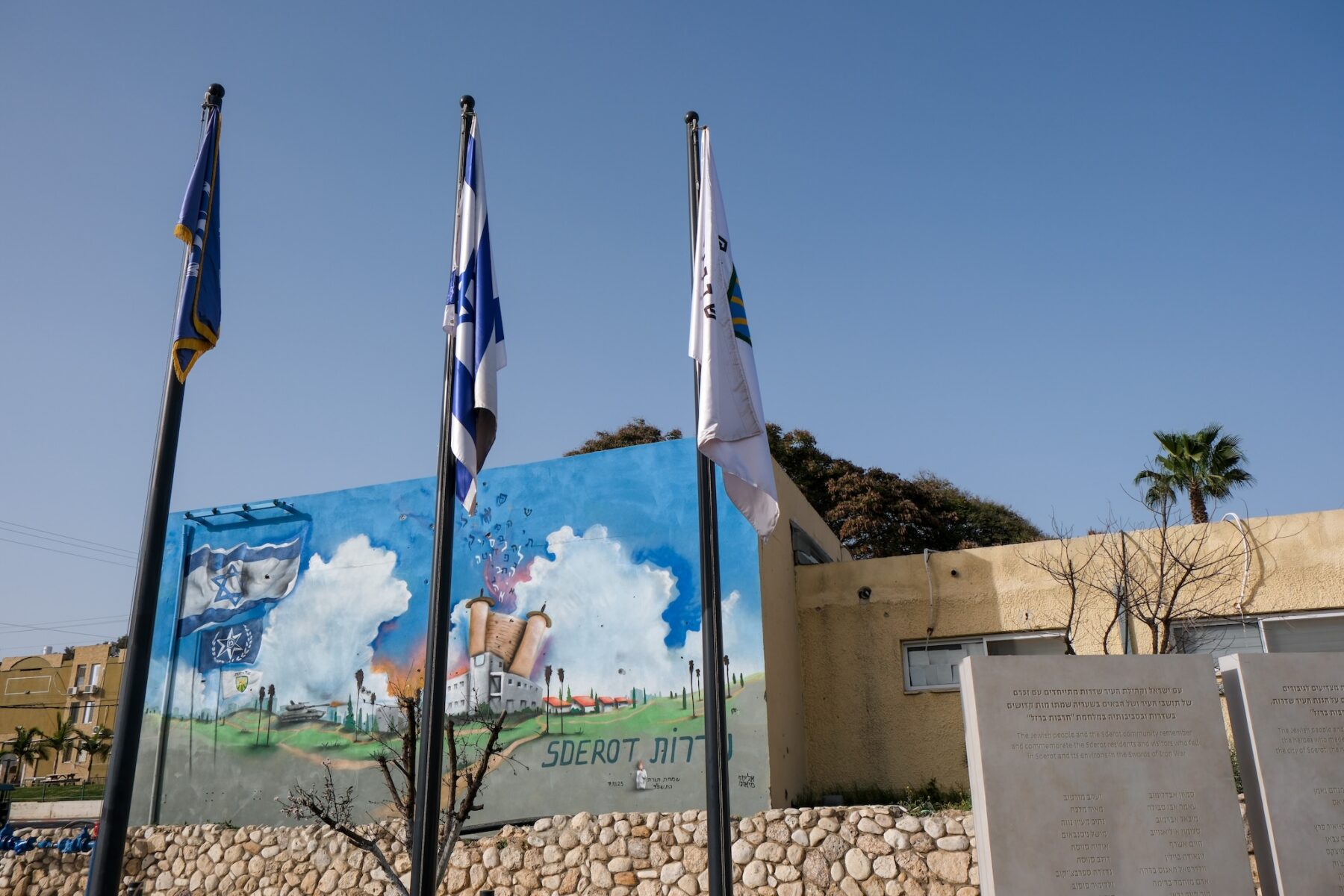
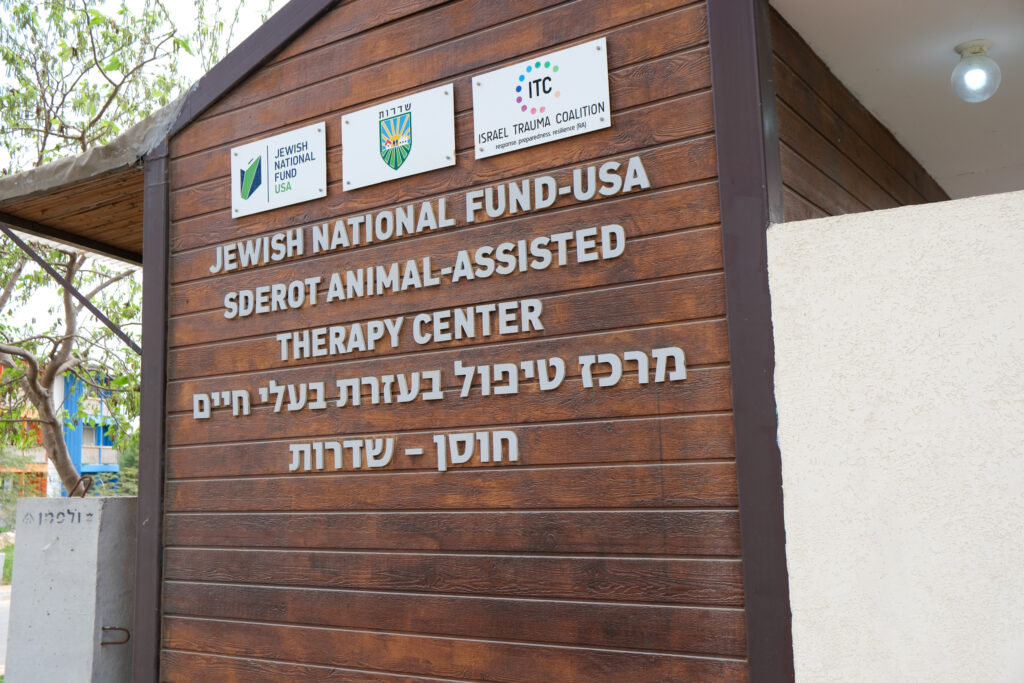
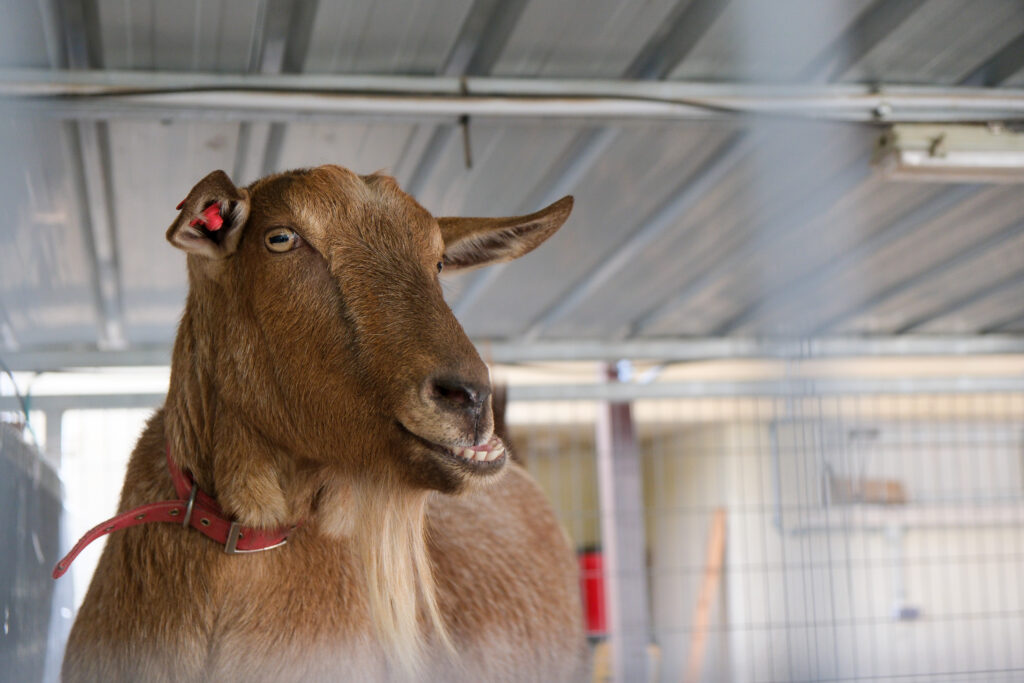
Located behind the monument, The JNF Sderot Animal-Assisted Therapy Center stands as a place where the children from this community can help recover from their traumas. Filled with friendly and approachable animals for pet therapy, our host told us the children sometimes project their own feelings.

“Why is the tortoise going into its shell?” “Maybe he’s scared of the attackers finding him.” We saw children interacting with pigmy goats, and got to touch some well-behaved mice and rabbits. We loved finding this small island of peace and play right behind a solemn monument.
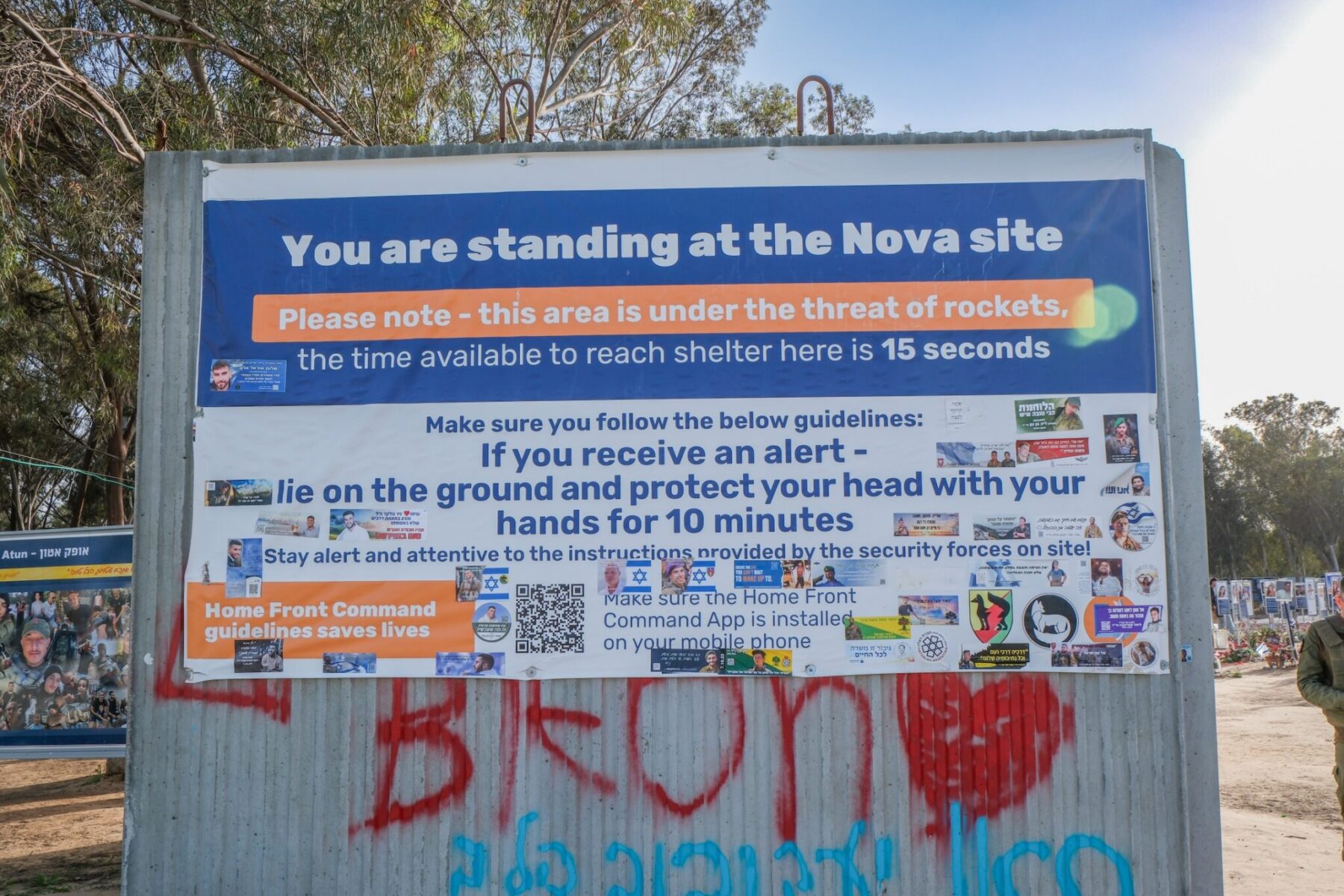
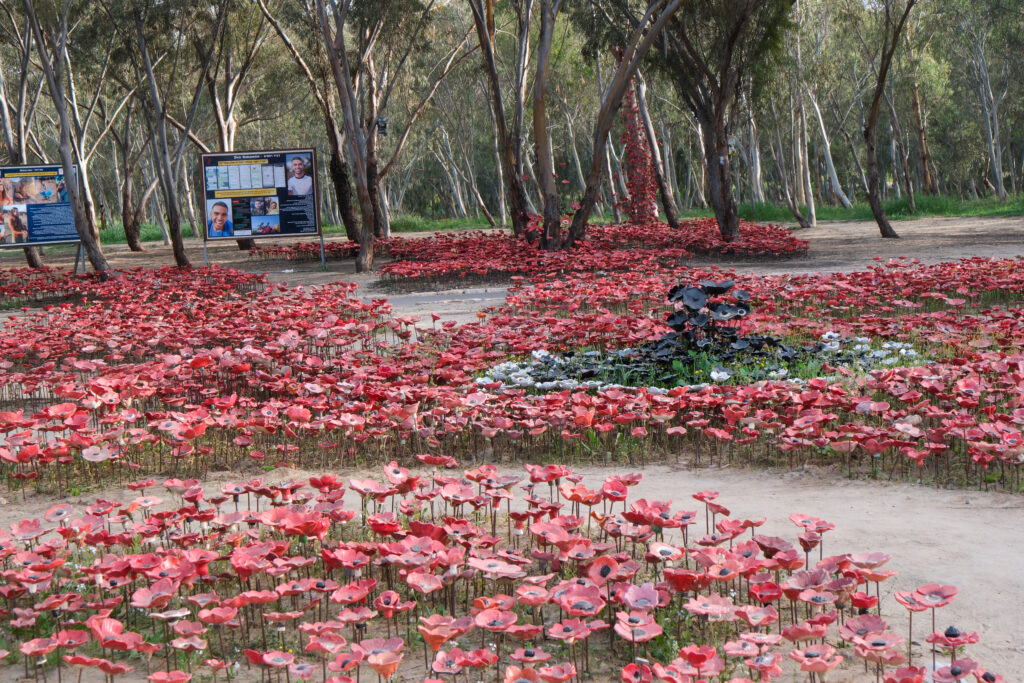
Then it was time for one of the hardest moments of our trip. As we visited the site of the Nova Music Festival, a large field area filled with the beautiful red Kalanyiot flowers where 344 civilians and 34 security personnel were brutally killed. An additional 44 were taken hostage.
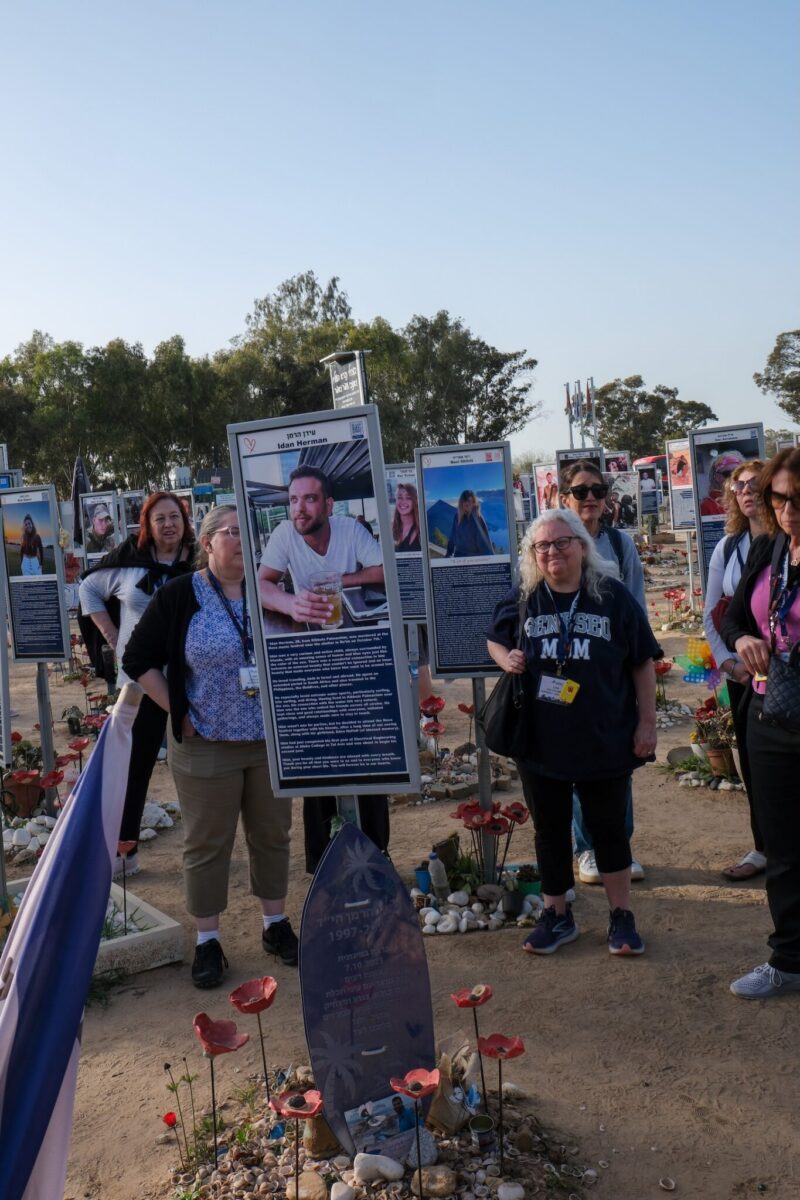
We heard from Natan, and from our tour guide Carrie, some very personal stories. Natan talked about his friend Idan Hermann, now represented as a plaque in a field of hundreds.
 Looking around, what I noticed most was the youth, vibrancy and beauty of the festival goers. Carrie and Natan told us that not only were festival goers killed, some were sexually assaulted, tied to trees and killed. This part of the Nova story, which Hamas denied, but which Israeli soldiers found when they arrived, may explain some of the fierce response to the Hamas attack.
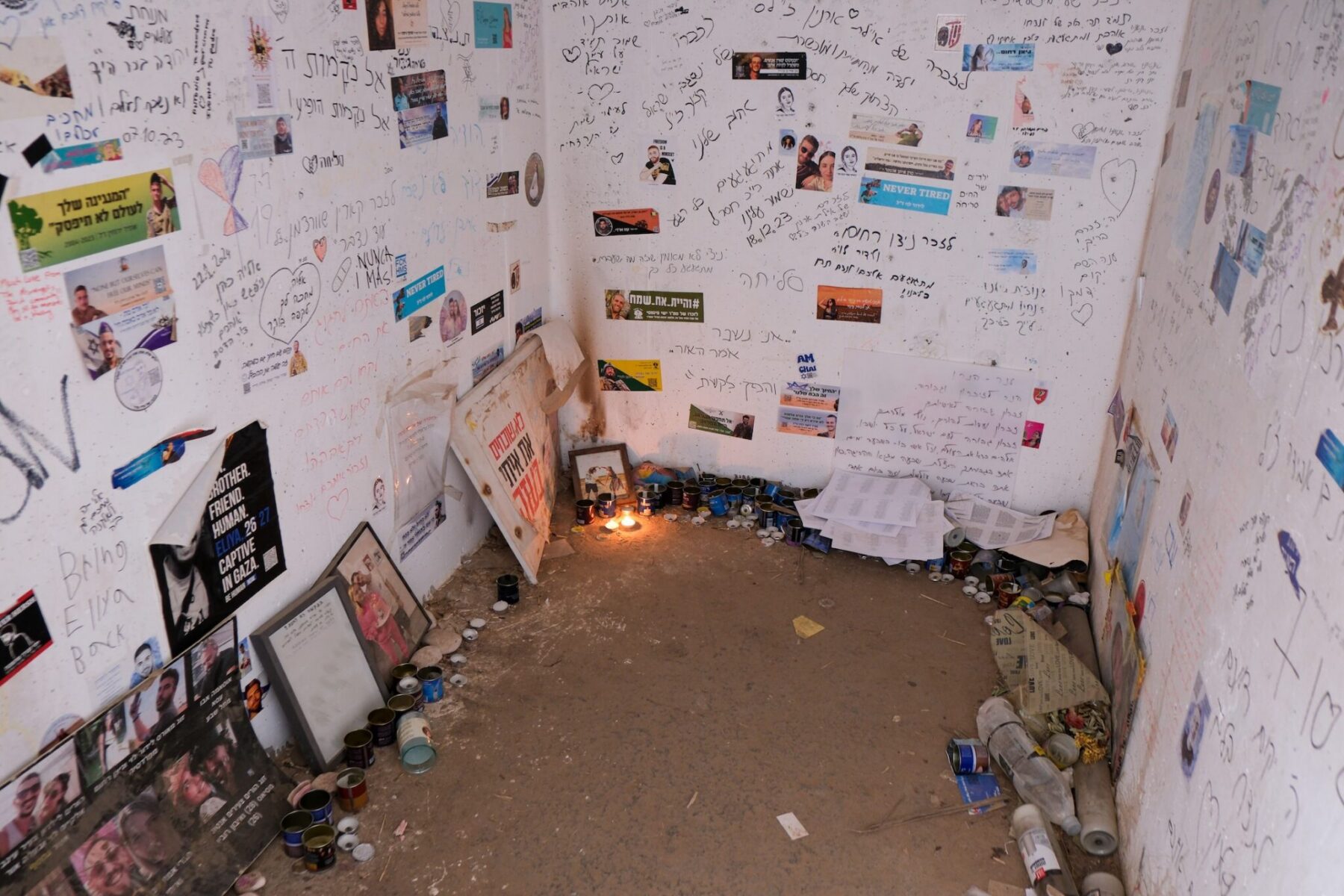
What a tragic, horrible loss. We then proceeded down the road from the festival to a bus stop shelter, where some festival goers had tried to hide from the terrorists. Carrie explained that it was at this shelter that Hersh Goldberg-Polin and Aner Shapira threw back the grenades that Hamas tossed in 7 times. Shipira was killed, and Polin lost his arm below the elbow. Many of us know the story – Goldberg-Polin was killed just days before his body was discovered by the IDF in August of 2024. Actually being at this shelter, now a shrine filled with Yahrzeit candles and stickers representing hostages and lost soldiers, was one of the most chilling and sobering parts of this week.
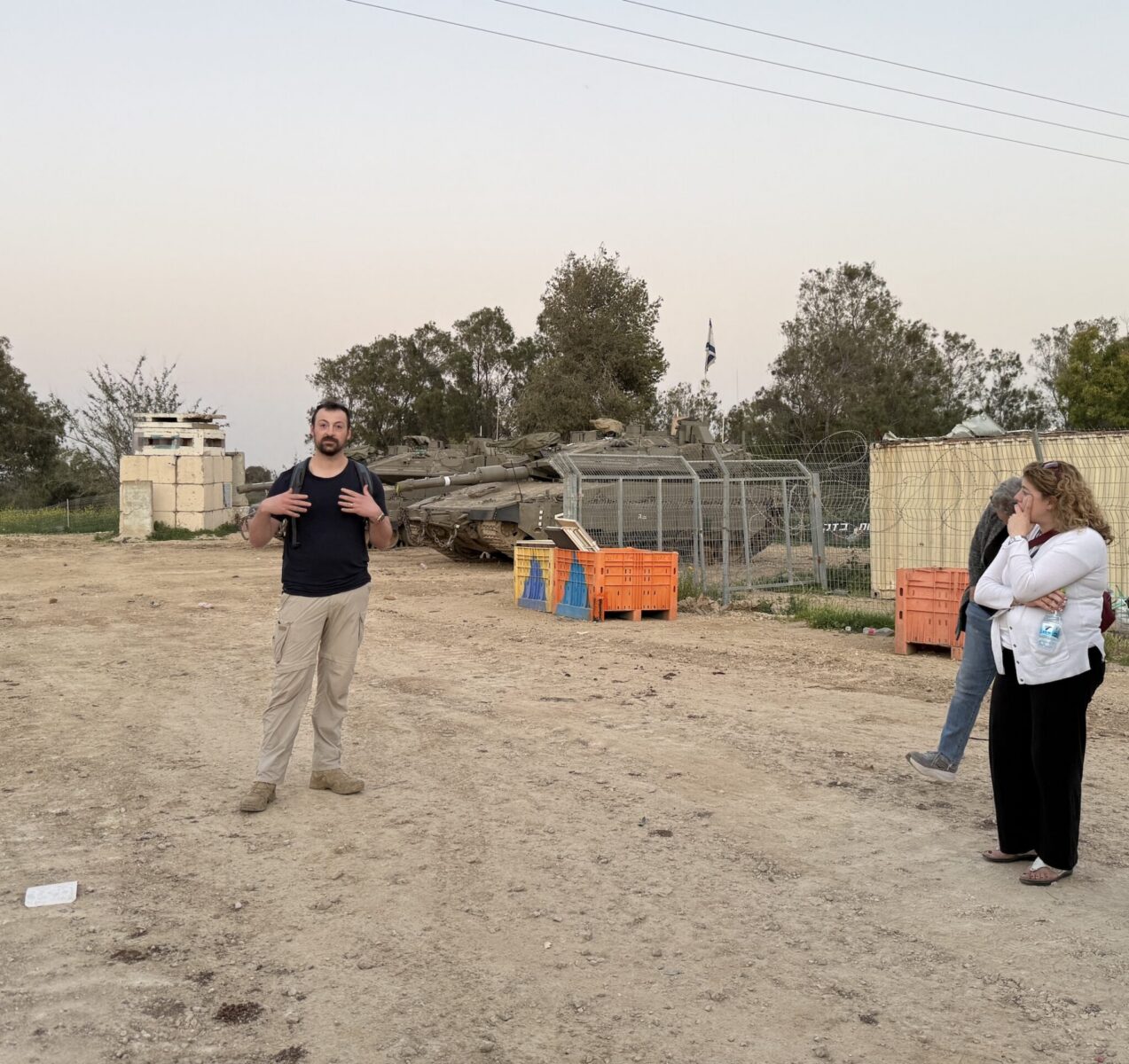
Leaving Nova, we went down the road to a military base next to a kibbutz. Standing in front of Israeli tanks, Natan told us the story of his drone unit’s call up after October 7th. As with many stories that day, there was confusion and delay before his deployment. He discussed the challenges of working full time, taking a master’s degree, and being in and out of the Army for months at a time. While one can’t be fired for serving in the military, the calls to service are disruptive, and companies have to learn to quickly adapt to key employees being out. There’s no time to study while on active duty either, so Natan had a lot of catching up to do when he returned. It was quite great to have such an intelligent, relatable “extra” guide during this day.
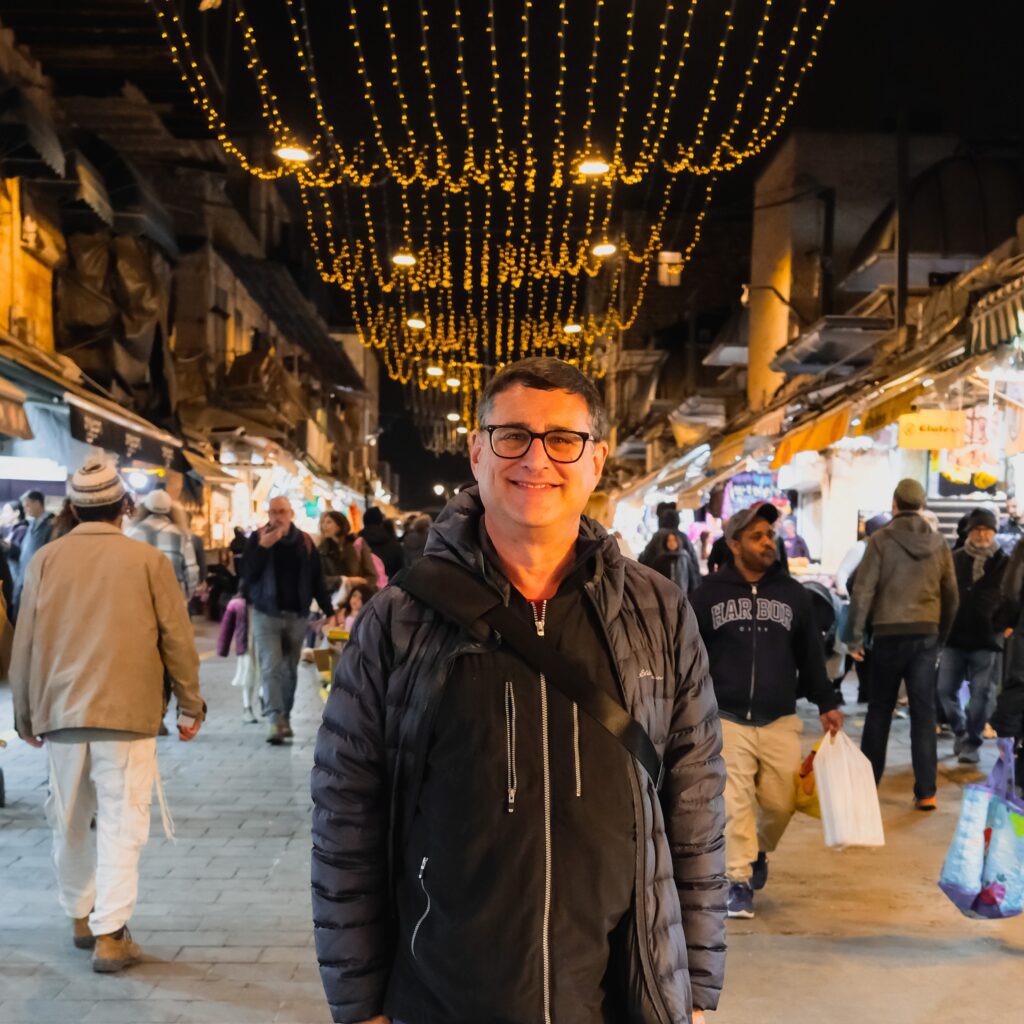
We ended the day in Jerusalem, way after dark. We dined at Piccolino, where after a delicious dairy meal, we heard from the second generation owner. Her son was seriously injured during the war, though he has recovered. Her daughter, currently serving, mentioned to her mother that she was serving with lone soldiers, who didn’t have a home to go to on weekend furloughs. The mother opened the restaurant to the soldiers on Shabbat while it was closed to the public, and made them family meals. This was a common theme on the trip – everyone was asking, “What can I do to help?” It truly shows the spirit of this country.