
Ranata Shlobin’s Message, 1-23-26
January 21, 2026
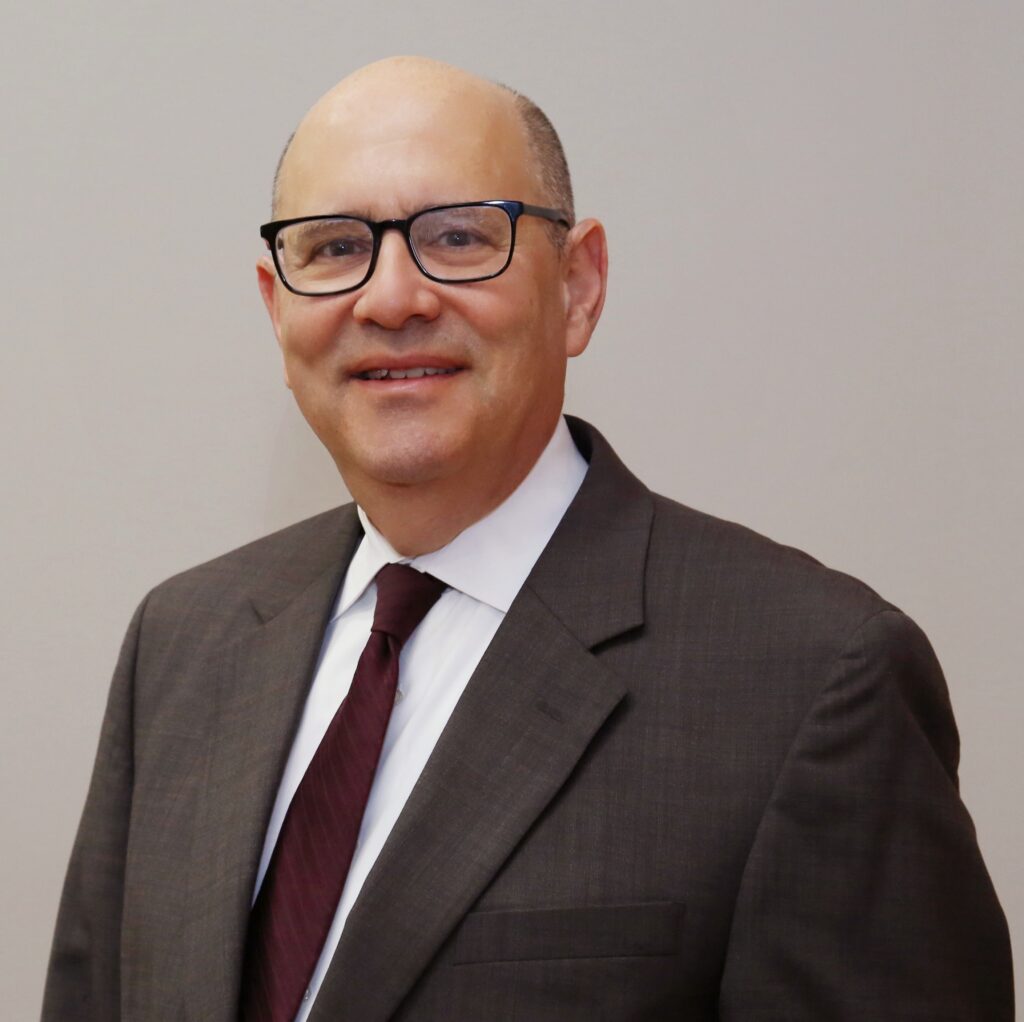
Rabbi Announcement
January 29, 2026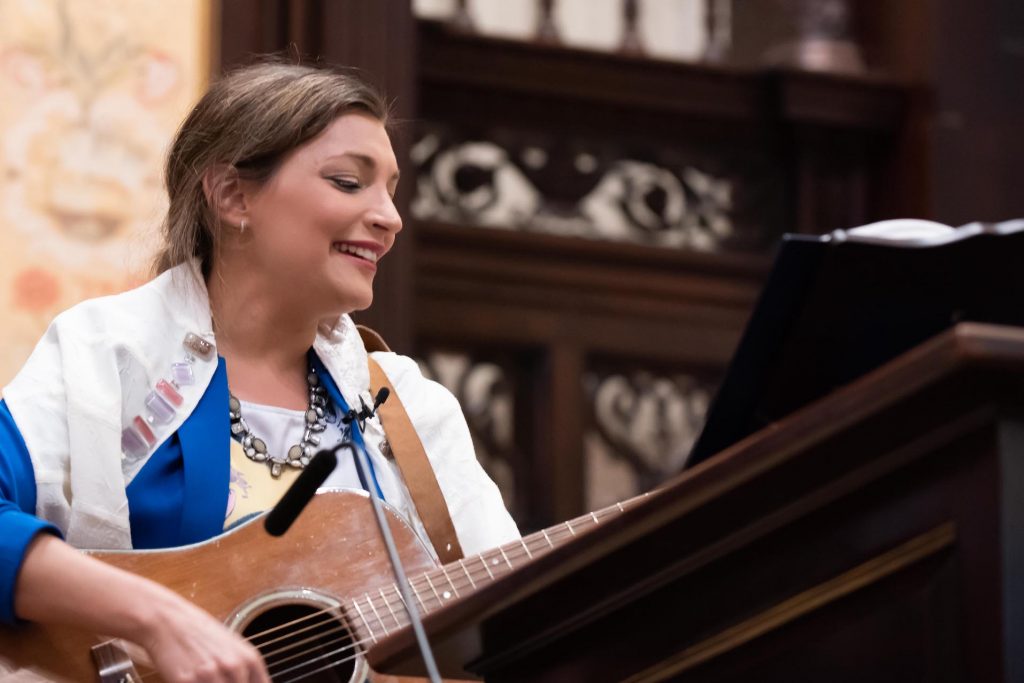
This week, we celebrate Shabbat Shirah, the “Sabbath of Song,” a deeply meaningful moment in the Jewish calendar. It commemorates one of the most powerful stories in the Torah: the ancient Israelites’ miraculous crossing of the Red Sea as they escaped slavery in Egypt.
Imagine the scene! Standing at the edge of the sea, terrified by Pharaoh’s approaching army, unsure if freedom was even possible. And then, with courage and faith, they took that first step into the parted waters. What followed was salvation, wonder, and an extraordinary miracle. On the other side, they broke into a song of liberation, a profound expression of joy and gratitude.
This story offers us a profound life lesson. Even when we are overwhelmed by fear or uncertainty, when we cannot see a clear way forward, we still have the power to breathe, move, sing, and express gratitude for the freedom we hold, even if it feels out of reach at that moment. The act of singing, of releasing stress through words and movement, can be healing and transformative!
Liturgically, this moment is immortalized in our prayers. The words of Mi Chamocha, “Who is like You, O God?”, are taken directly from Exodus 15:11 and 18. These words were part of the Israelites’ exaltation after being saved. Today, Mi Chamocha is a central prayer in our worship, reminding us of God’s power and our ancestors’ resilience.
You may wonder why we’re reflecting on the story of the Exodus now, rather than during Passover? While Passover in the spring is tied to the agricultural calendar and the Feast of Unleavened Bread as prescribed by the Torah, our Torah reading cycle brings us this story during this time of year as well. Perhaps it is precisely now that our ears need to remember the song of our salvation, when the harshness of winter cuts at our hands with the cold, and makes us feel sometimes like walking in the middle of a white desert.
As a woman cantor, I find Shabbat Shirah particularly meaningful. It is a holiday inherently tied to singing, a beautiful form of expression that has always been central to Jewish women. This is why tonight we honor Miriam, Moses’ sister, and celebrate the women of our community.
While Moses led the Israelites through the parted sea with his staff in hand, it was Miriam who led the women in song and dance on the other side. With timbrels in hand, she provided a distinct and joyous voice of praise. Her leadership was essential. The Israelites had just experienced trauma; they likely didn’t fully understand what had happened! Miriam gave them words and actions to process their emotions. Through her song and dance, she brought healing and sparked a radical celebration of the miracle they had just witnessed.
She is a symbol of faith and hope. By bringing instruments with her into the wilderness, she demonstrated an unshakeable belief that God would deliver them, even before it happened! Her faith was proactive; she prepared for joy even amidst uncertainty.
Miriam’s message to us today is clear: never silence your voice. Your voice has the power to heal, to bring joy, and to awaken gratitude for the miracle of life itself. Trust your inner voice, it is your guide and your strength.
Tonight, I invite you all to join us as we sing Miriam’s song alongside our Junior Choir and celebrate a special milestone for our 5th graders as they receive their Siddurim during our ceremony and lead our prayers with happiness and energy.
Shabbat shalom!
May this Shabbat Shirah fill your heart with song and your soul with faith.